Holy Holy — O2 Shepherd’s Bush Empire, London - 10th September 2026 Tony Visconti & Woody Woodmansey’s Holy Holy — The Final Tour
Holy Holy — O2 Shepherd’s Bush Empire, London - 10th September 2026
Tony Visconti & Woody Woodmansey’s Holy Holy — The Final Tour
Reviewed by Robert Corich
There are tribute bands — and then there is Holy Holy.
When your rhythm section consists of Tony Visconti, the man who produced and played on some of David Bowie’s most important records, and Woody Woodmansey, one of the original Spiders From Mars, the word tribute starts to feel rather inadequate.
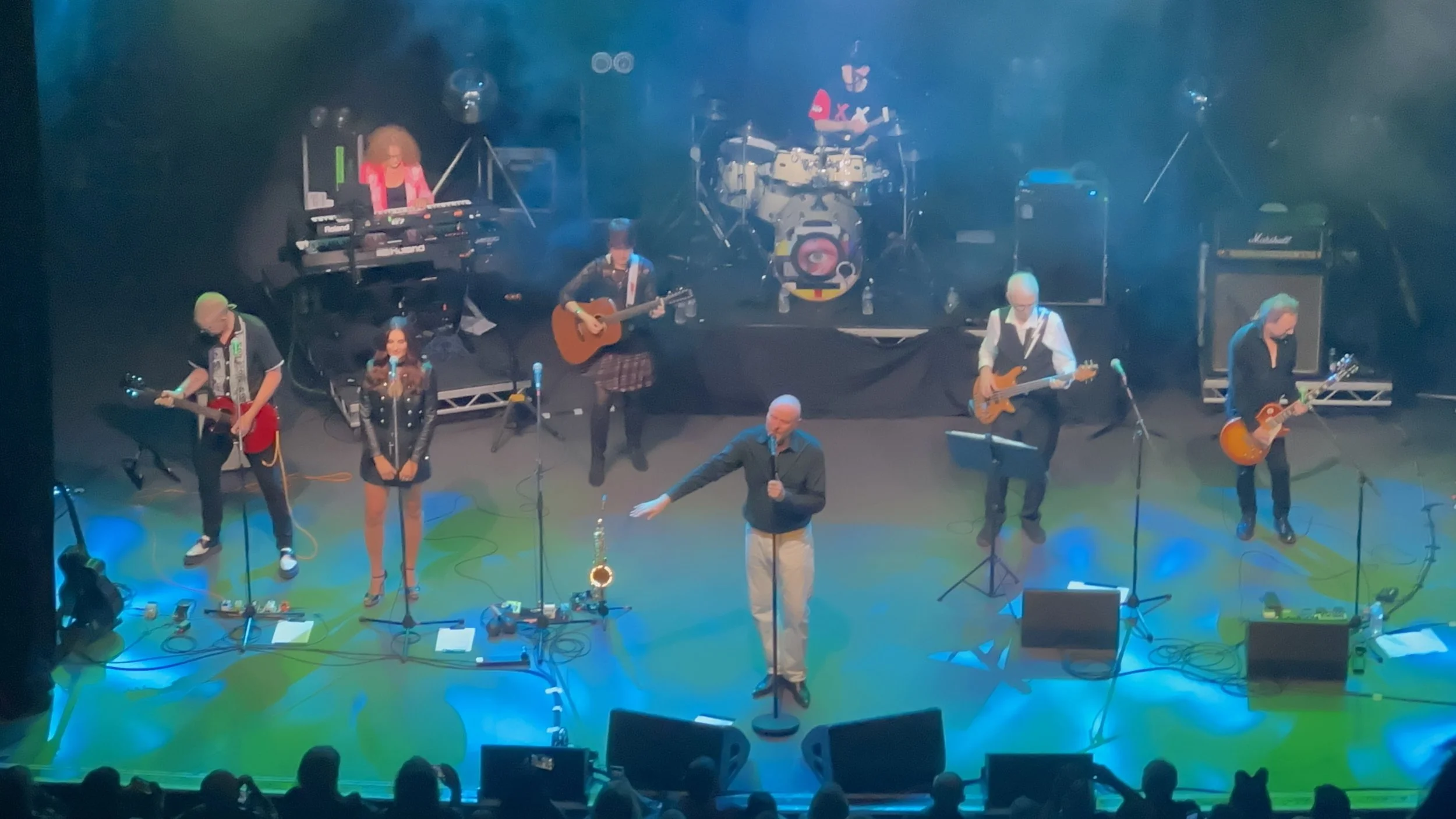
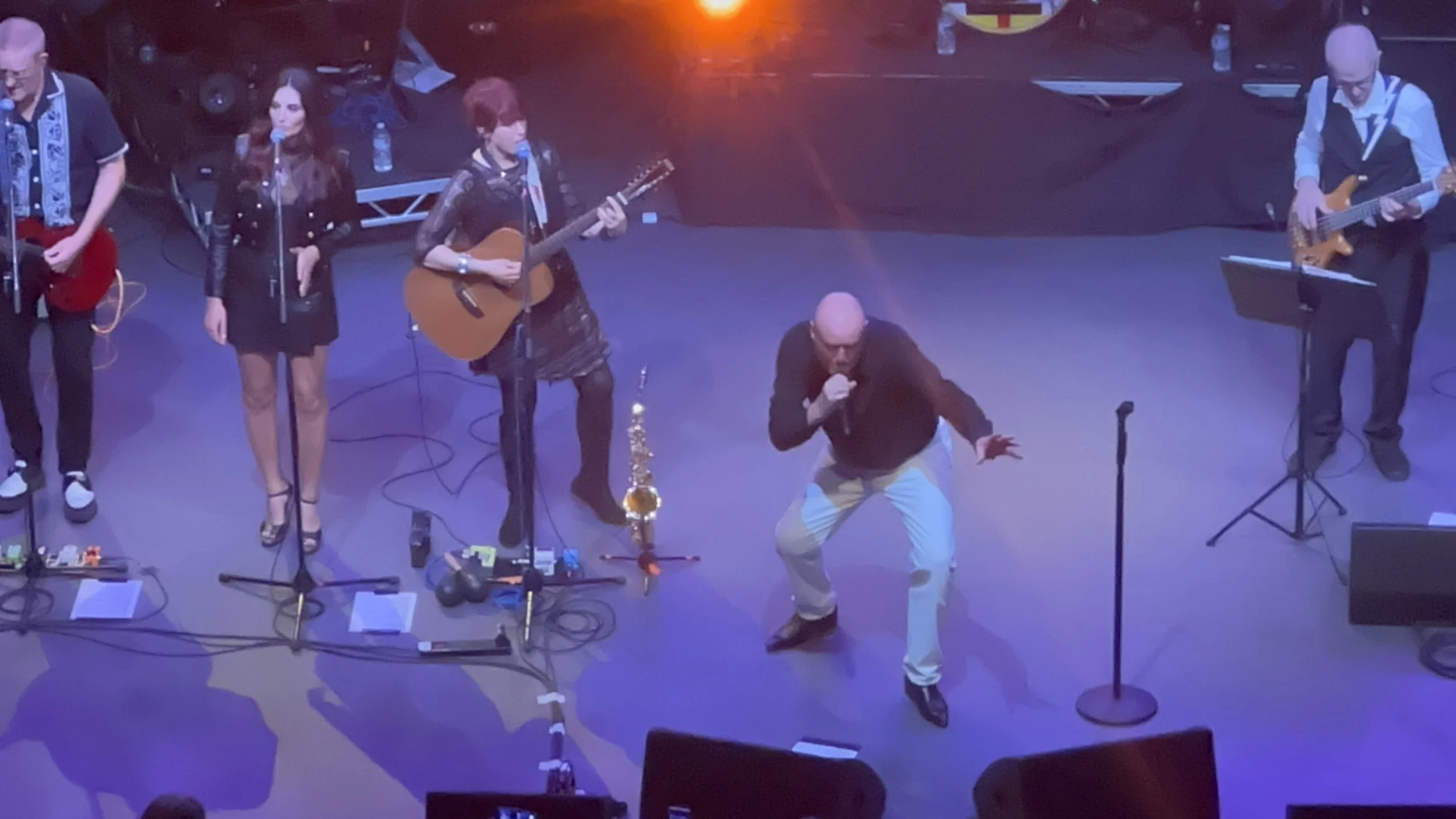
Add Glenn Gregory of Heaven 17 on vocals, James Stevenson and Paul Cuddeford on guitars, Jessica Lee Morgan on 12-string guitar and saxophone, and Janette Mason on keyboards, and you have something considerably more interesting than another Bowie nostalgia act.
And what a setting for it all.
SHEPHERD’S BUSH EMPIRE
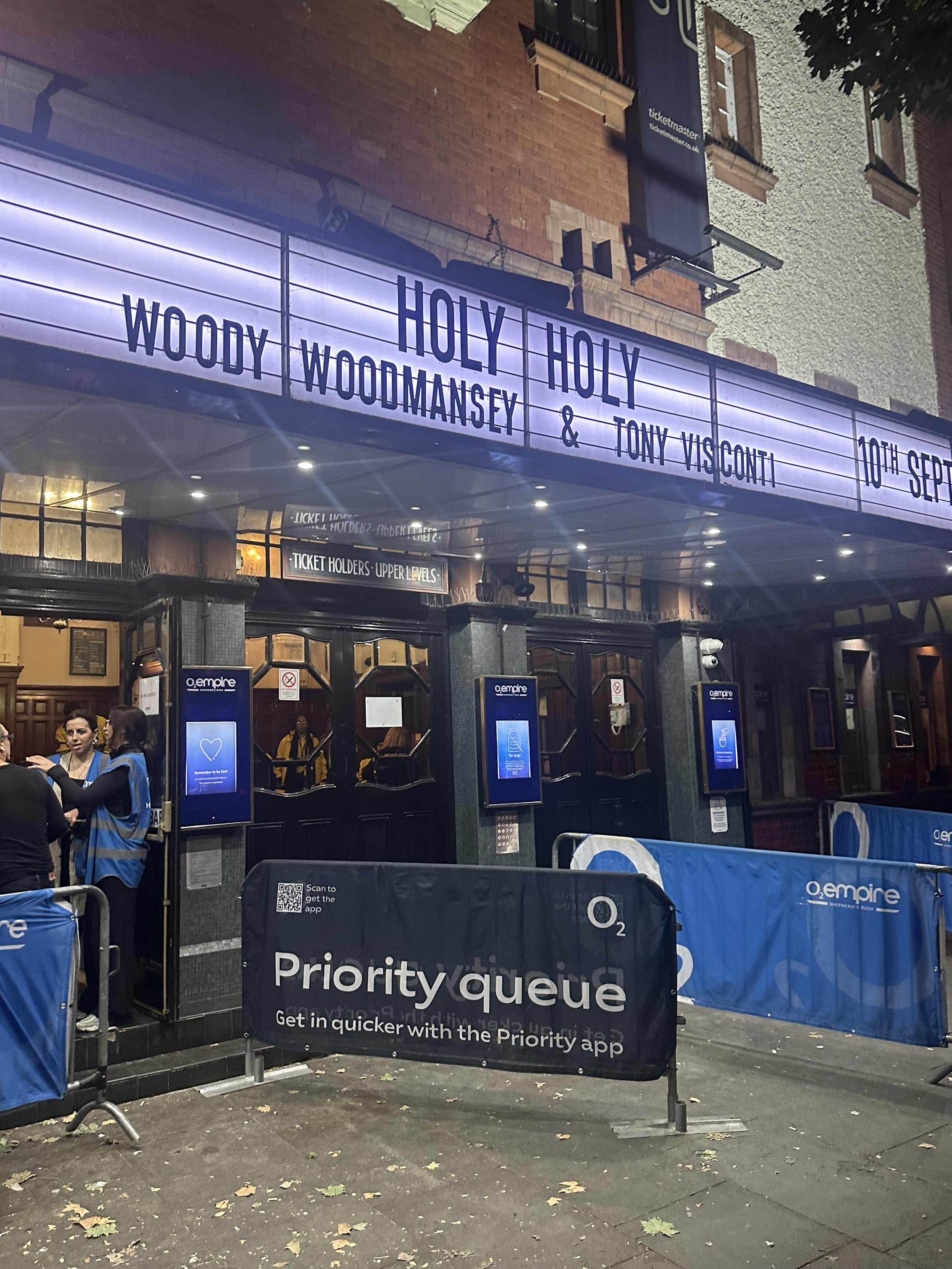
Shepherd’s Bush Empire is one of those London venues where the building itself becomes part of the experience. Opened in 1903 and designed by the great theatre architect Frank Matcham, the interior retains much of its extraordinary original beauty — ornate plasterwork, balconies, boxes, sweeping curves and that magnificent ceiling.
There is something wonderfully atmospheric about walking into the place, with all those layers of history still visible around you.
There was an especially appropriate feeling about Holy Holy playing here.
The original Spiders From Mars never actually played the Empire as far as I can establish — the building was being used as a BBC television theatre during their era — although Bowie himself returned to this very stage in 1997.
So there was no literal Spiders reunion with the walls.
But there was certainly a sense of musical history coming full circle.
Because standing on that stage was Woody Woodmansey — an actual Spider From Mars — alongside Tony Visconti, a man whose own musical history is intertwined with Bowie and so much more.
And on Thursday night, Holy Holy delivered a two-hour-plus celebration of Bowie that managed to feel both gloriously familiar and surprisingly fresh.
The set opened with Warszawa before launching into Five Years, The Width of a Circle, Lady Grinning Soul, Ziggy Stardust, Time, Quicksand and Changes. From there came Ashes to Ashes, Eight Line Poem, Panic in Detroit, Rock ’n’ Roll With Me, Drive-In Saturday, Space Oddity, The Man Who Sold the World, Starman, Rock ’n’ Roll Suicide, Life on Mars? and Moonage Daydream, before the encore brought Where Are We Now? and Rebel Rebel.
Quite a setlist.
And quite a history behind it.
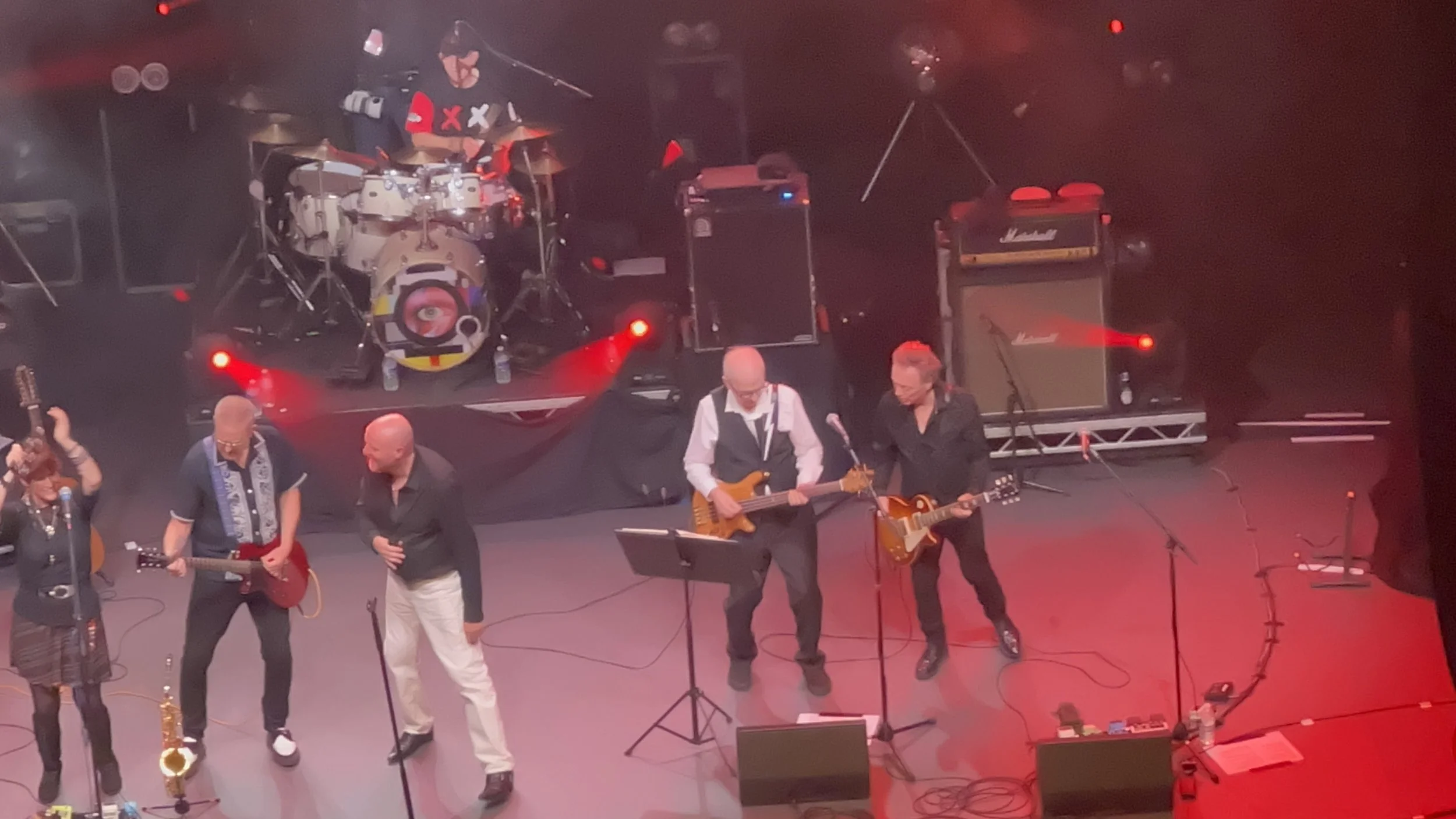
TONY VISCONTI
Standing there with bass in hand is a man whose CV is practically a history of British rock.
David Bowie. T. Rex. Marc Bolan. Osibisa.
To name but a few!
Visconti’s work with Bowie needs little introduction, but his contribution to T. Rex was equally significant, producing some of Marc Bolan’s most important records. And, somewhat delightfully for those of us who know our musical history, his work with Osibisa is another particularly important part of that extraordinary catalogue, including the classic early albums Osibisa and Woyaya.
So this wasn’t simply somebody playing Bowie songs.
This was somebody who helped make the records.
And considering the number on his passport, Visconti played like a man several decades younger.
The bass had punch, energy and purpose, and there was no sense whatsoever that we were watching somebody simply revisiting the past. Visconti was still moving, playing and performing with the enthusiasm of a man considerably younger than the number printed on his passport.
Visconti was still very much a musician in the present tense.
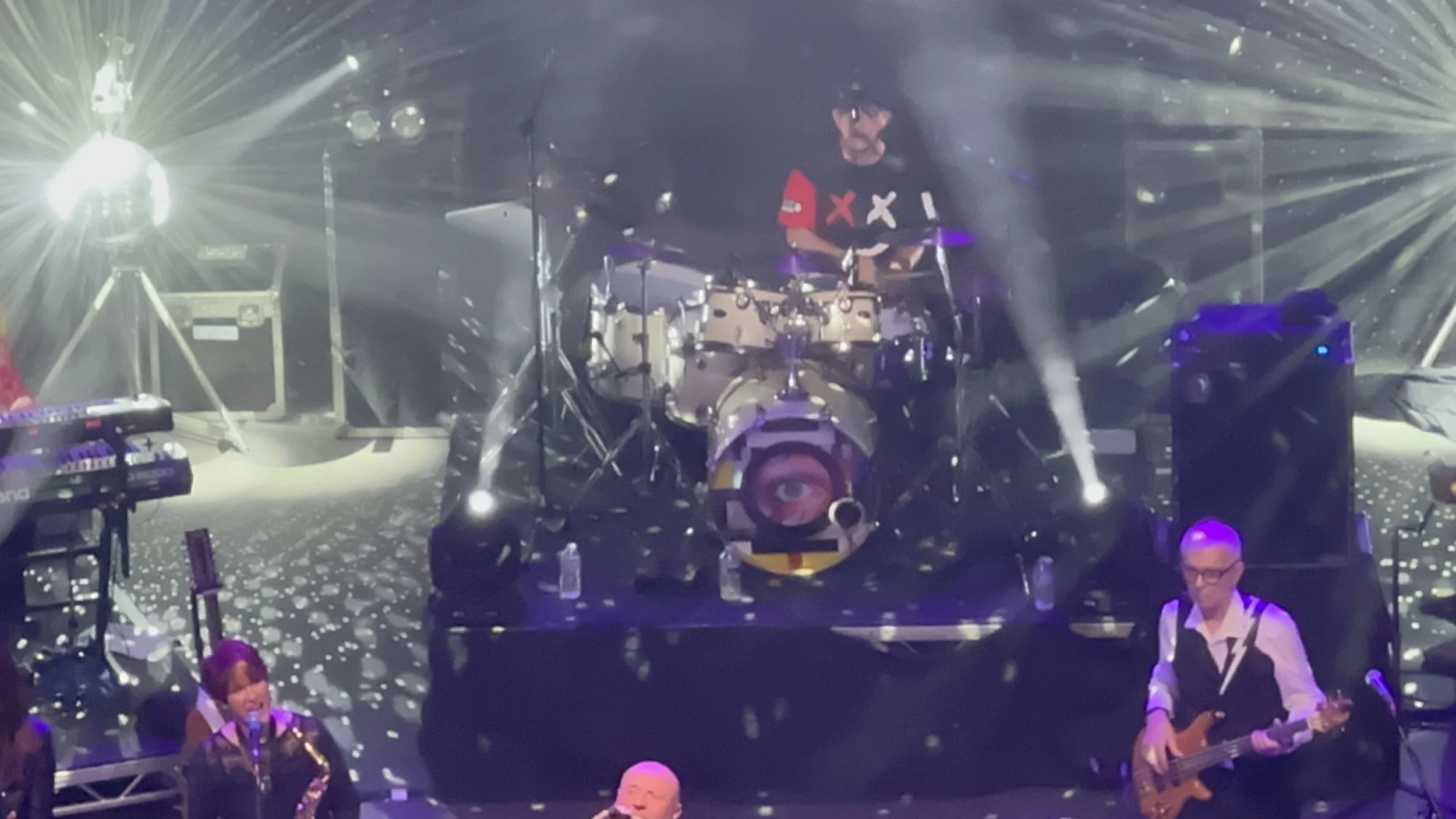
And when that present tense is being played alongside Woody Woodmansey, one of the original Spiders From Mars, it makes for a rather remarkable sight — and an even better sound.
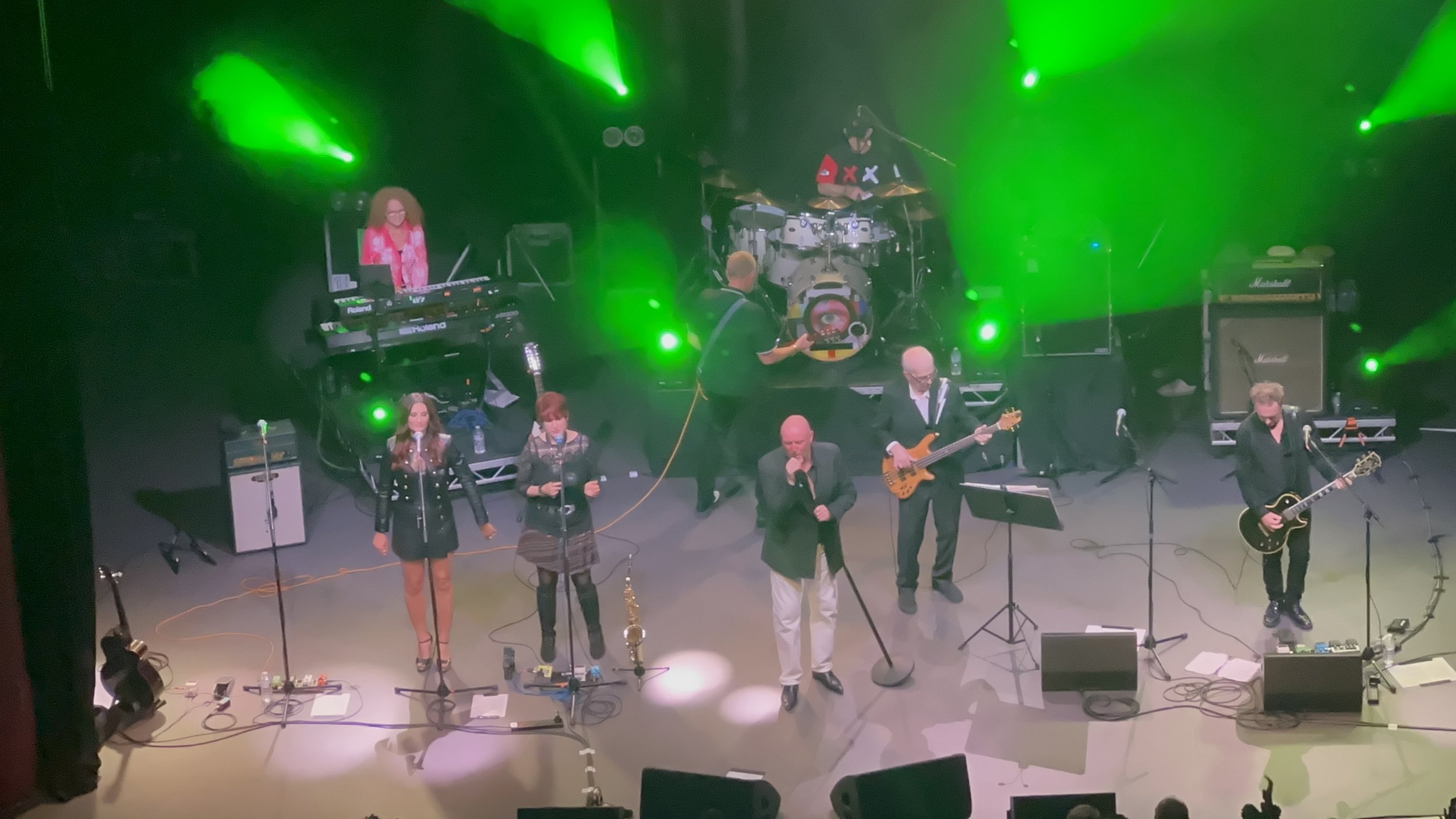
WOODY — THE SPIDER IN THE ROOM
Then there was Woody.
You cannot recreate the Spiders From Mars — but you can put one of them on stage.
Woodmansey’s presence gives the whole thing a wonderful authenticity. There is a difference between somebody learning the drum parts and somebody who was actually there when this music was being created.
On Panic in Detroit, particularly, you could feel that history coming alive.
This wasn’t a museum piece.
It was a working rock band.
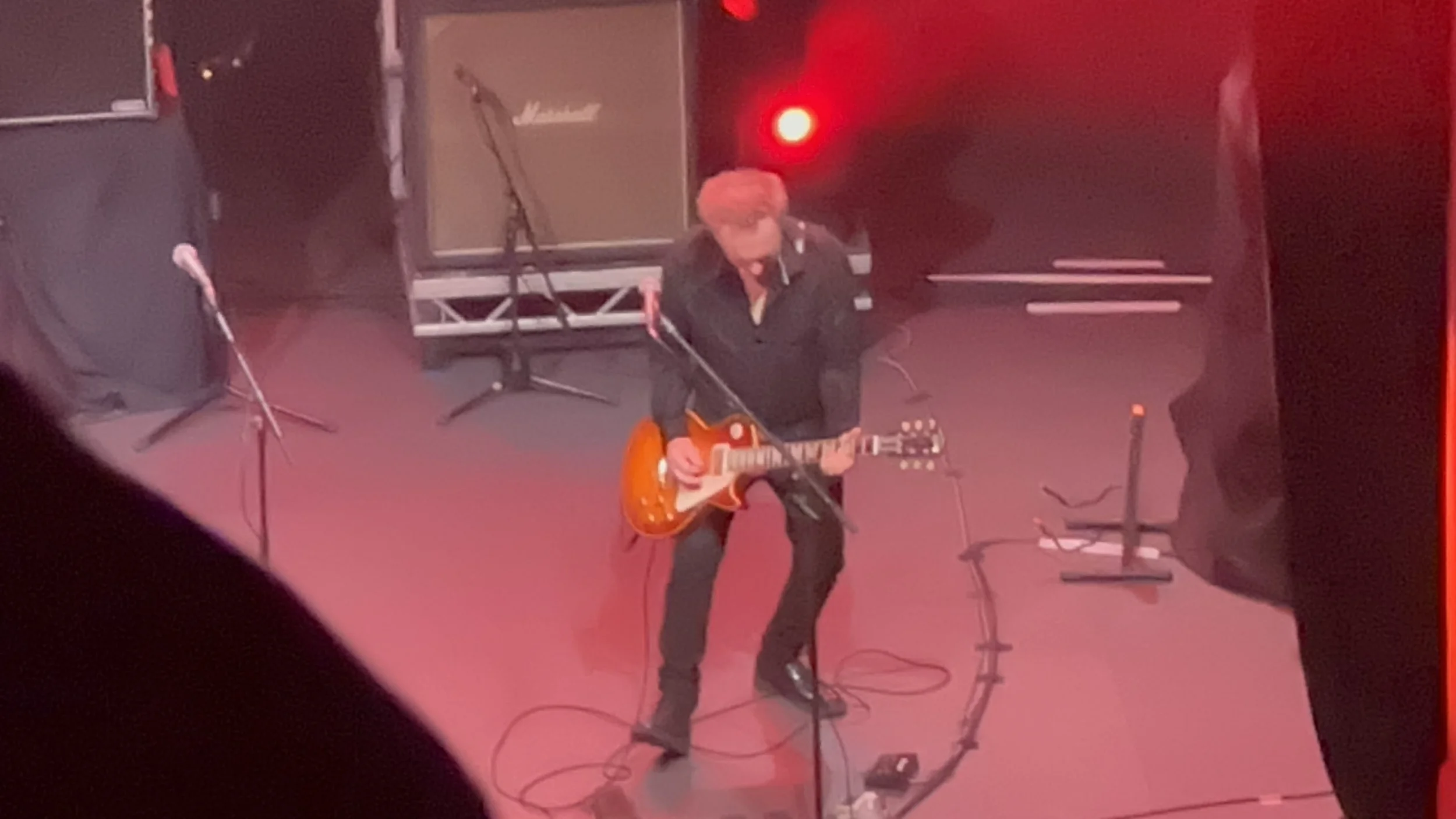
THE GUITARS — STEVENSON & CUDDEFORD
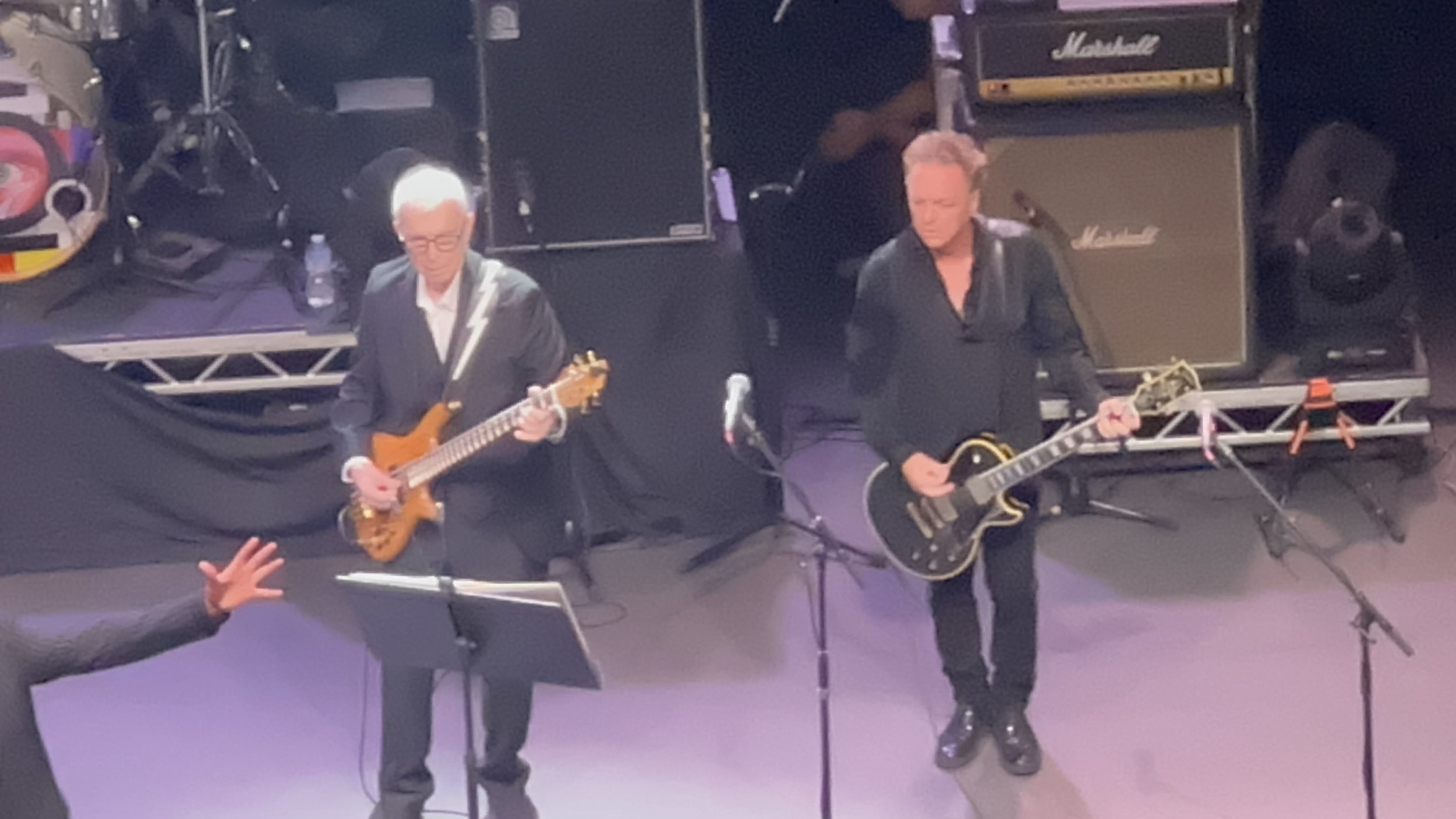
For me, one of the absolute highlights of the evening was James Stevenson.
Stevenson has quite a history himself. His early years saw him playing extensively with Generation X and Chelsea, before becoming a mainstay member of Gene Loves Jezebel. He subsequently added touring stints with both The Cult and The Alarm to an already impressive CV.
But there is another particularly important thread running through Stevenson’s musical history — Mick Ronson.
Ronson has long been a huge influence on his playing, and tonight that influence was there for all to hear.
Stevenson’s playing was superb throughout — melodic, economical, beautifully phrased and, crucially, never an exercise in showing off for the sake of it.
Very Ronson.
There was a real homage to Mick in his playing tonight.
Not a caricature of Ronson, not some attempt to impersonate him, but an understanding of what made Ronson’s playing so bloody good in the first place.
The tone.
The phrasing.
The spaces.
The melodic sense.
That wonderful ability to make a guitar part sound absolutely inevitable — as though that was the only way it could possibly have been played.
Ronson understood that the guitar should serve the song while simultaneously helping define it.
Stevenson clearly understands that too.
And when you remember that he was playing those parts with Woody Woodmansey and Tony Visconti actually standing beside him, you begin to appreciate just how extraordinary the situation is.
Then there’s Paul Cuddeford, who brings an equally impressive rock pedigree to the other guitar position.
Cuddeford has worked with Ian Hunter and Bob Geldof, as well as Steve Harley & Cockney Rebel, and spent time in the US playing with former Aerosmith guitarist Rick Dufay. His wider CV includes work with artists ranging from Tom Jones and Paul Young to The Pogues and Robin Gibb, as well as Steve Norman of Spandau Ballet and Mark Nevin of Fairground Attraction.
That’s quite a musical passport in its own right.
Cuddeford and Stevenson make a formidable guitar partnership, but importantly they don’t tread on each other’s toes. Stevenson brings that unmistakable Ronson influence and melodic character, while Cuddeford provides plenty of weight and rock ’n’ roll muscle when the songs demand it.
And that is another reason why Holy Holy works so well.
These aren’t musicians merely recreating somebody else’s past. They’ve got plenty of history of their own.
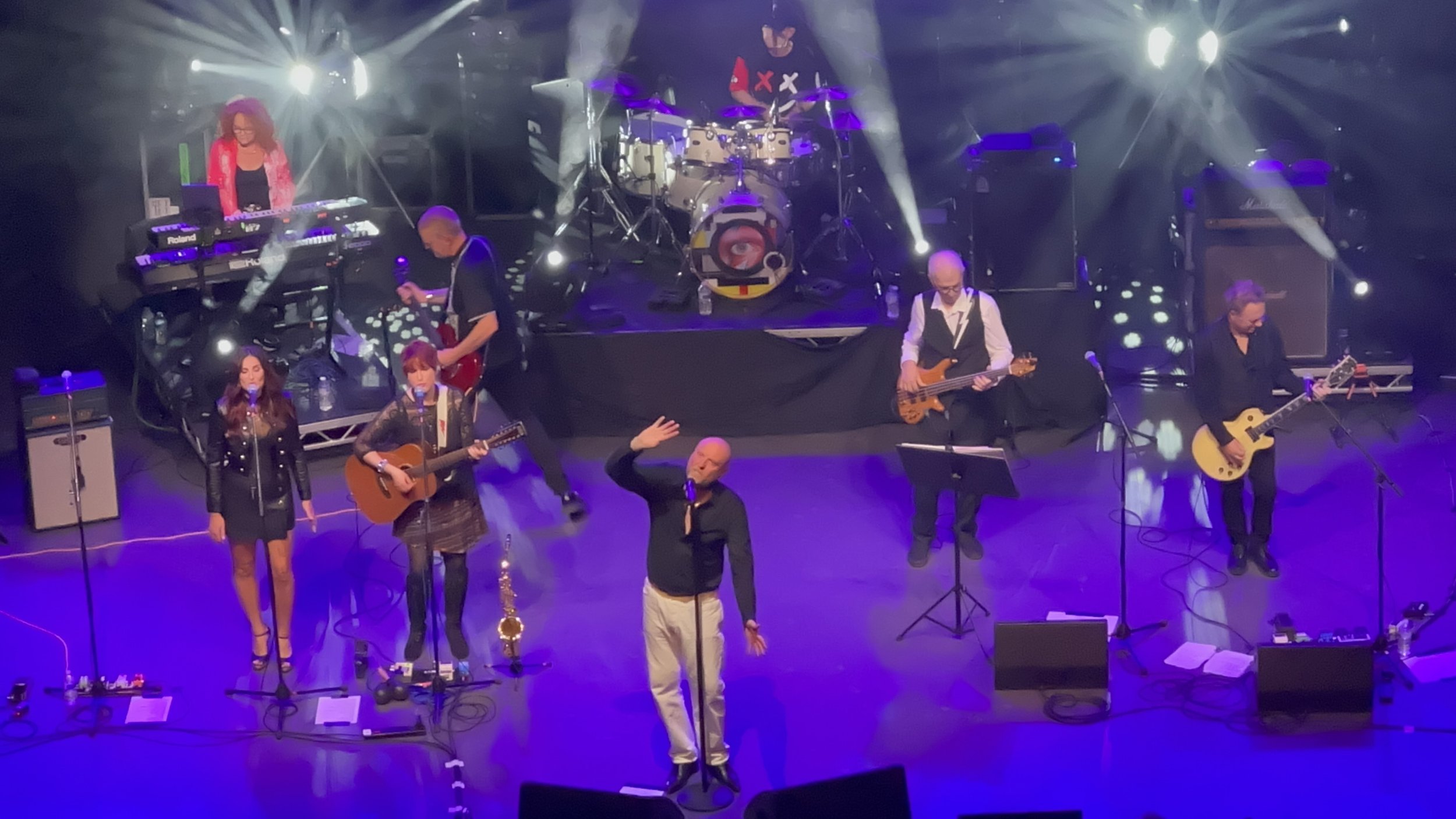
GLENN GREGORY
Glenn Gregory had the unenviable job of standing where David Bowie once stood — which, thankfully, he never attempted to do.
Instead, he brought his own character to the songs.
There was enough theatricality, swagger and vocal authority to carry the material, but without turning the evening into a Bowie impersonation show.
His relaxed stage presence helped enormously. This felt like musicians celebrating music they genuinely love rather than actors recreating a historical event.
And that matters.
Because Bowie was never just about the costumes.
It was always about the songs.
JESSICA LEE MORGAN — TALENT RUNS IN THE FAMILY
And then there’s Jessica Lee Morgan, Tony’s daughter, who added 12-string guitar, saxophone and vocals to the musical mix.
There is clearly some pretty impressive musical DNA in that family, but Jessica is no passenger riding on her father’s name. She’s a fine musician in her own right and added another dimension to the band tonight.
There was something rather nice about seeing father and daughter sharing the stage — Tony providing that wonderfully authoritative bass foundation while Jessica contributed her own considerable talent alongside him.
Talent, it seems, runs rather strongly in the Visconti family.
JANETTE MASON — ANOTHER IMPRESSIVE MUSICAL PASSPORT
And on keyboards, Janette Mason brings yet another fascinating musical pedigree to Holy Holy.
Her CV stretches from Oasis, Pulp, Seal and k.d. lang to Robert Wyatt and Suzanne Vega, alongside a substantial career in British jazz. She has also made Bowie something of a speciality in her own right, with her Wall To Wall Bowie project bringing jazz-influenced arrangements to his music.
So while she may be the relatively quiet presence behind the keyboards on stage, Mason is another musician bringing considerably more to Holy Holy than simply playing the notes on the page. Her background in jazz and her understanding of Bowie’s music give the arrangements an extra degree of colour and sophistication.
It’s becoming quite a CV when you look down the Holy Holy stage — and rather less like a tribute band and rather more like a gathering of musicians with some serious musical history of their own.
BEYOND THE SPIDERS FROM MARS
One of the great things about Holy Holy is that they have broken free from simply recreating the original Spiders From Mars years and are now exploring some of the other wonderful corners of Bowie’s extraordinary catalogue.
And quite right too.
As much as I love the Ziggy era, Bowie was never an artist who stood still, and it’s great to hear Holy Holy tackling material from beyond those early years.
Let’s hope they expand this even further and dig deep into the Bowie catalogue.
I for one would love to hear them execute versions of Absolute Beginners, Queen Bitch and Hallo Spaceboy.
Just imagine what this particular collection of musicians could do with those songs.
And then, of course, there’s the really serious question…
The Laughing Gnome.
Perhaps that’s where Holy Holy finally goes when they decide they’ve exhausted everything else.
Although, having seen Tony Visconti and Woody Woodmansey playing like this, I suspect they could probably get away with it!
THE FINAL WORD
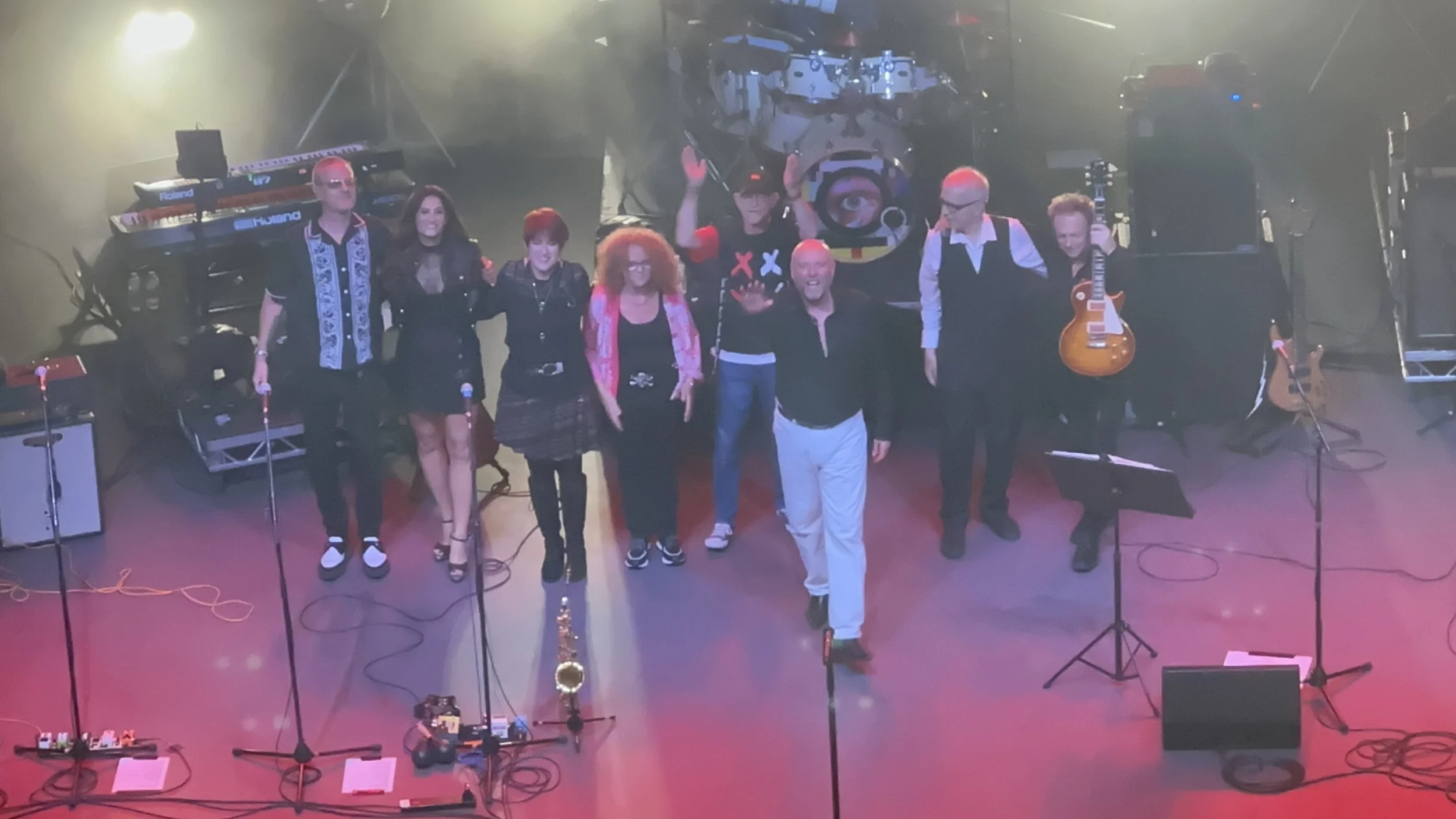
There was something rather poignant about watching Holy Holy on what is billed as their Final Tour.
Because this particular combination of musicians represents an extraordinary chain of musical history.
A Spider From Mars.
The producer and bass player who helped create the records.
A vocalist from another great chapter of British music.
Guitarists carrying the influence of Mick Ronson forward.
A daughter carrying her own considerable musical talent alongside her legendary father.
And musicians who understand that this catalogue contains far more than the obvious greatest hits.
By the time Life on Mars?, Moonage Daydream and Rock ’n’ Roll Suicide arrived, the Empire was completely immersed in it.
Then came the encore.
Where Are We Now?
And finally:
Rebel Rebel.
What better way to finish?
There are plenty of bands who can play Bowie songs.
There are considerably fewer who can stand on a stage and bring this much of Bowie’s actual history with them.
Holy Holy did exactly that.
And if this really is the final tour, London got a pretty bloody good farewell.
But let’s hope it isn’t.
Because this band most definitely has (Spider) legs — and there’s still plenty of Bowie left in the web. 🕷️