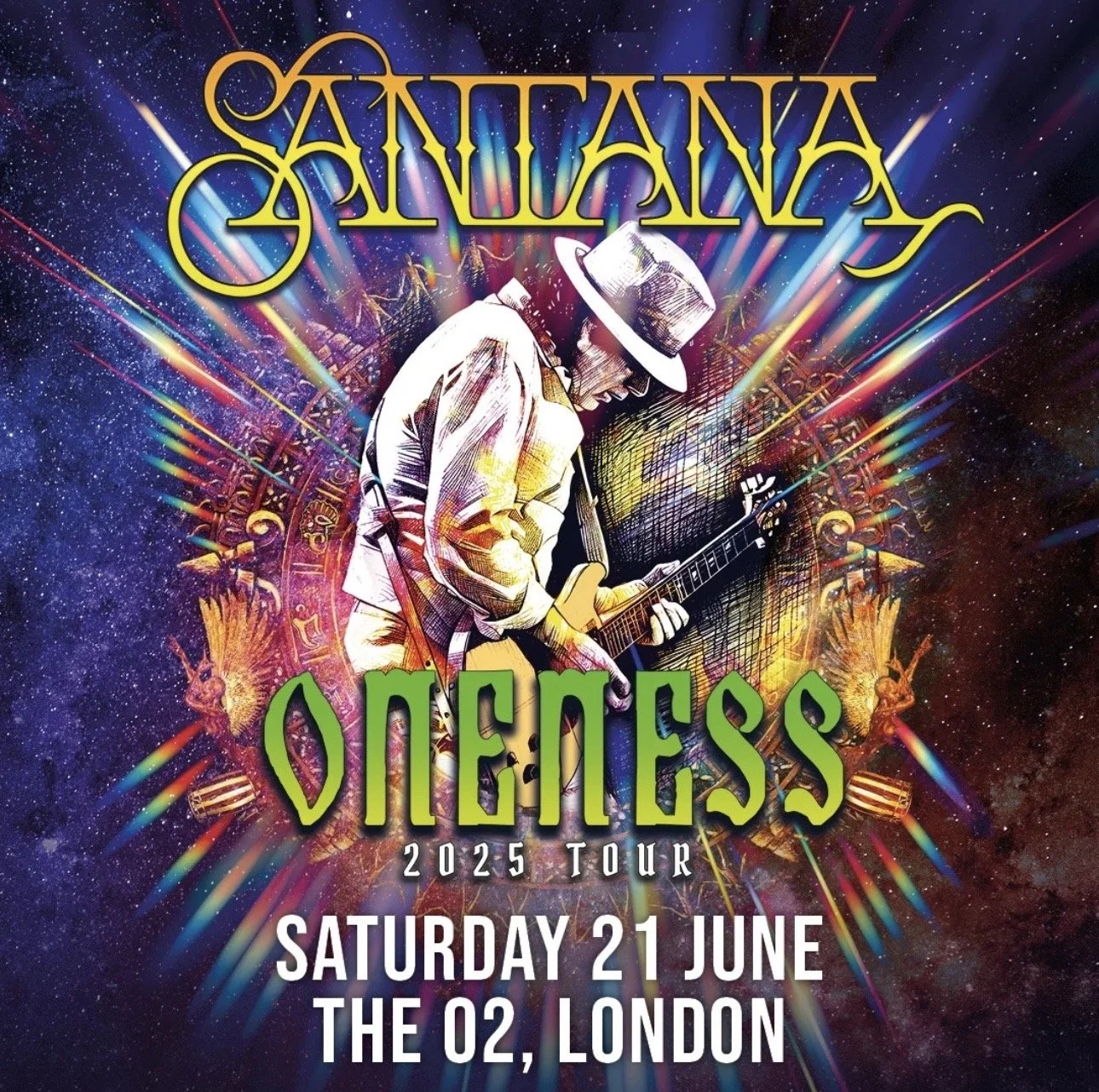
Santana – The O2 Arena, London 21st June 2025
Santana – The O2 Arena, London
21st June 2025
Review by Robert Corich
I first saw Santana as a teenager in New Zealand in the 1970s, and my love of their music has remained with me ever since. Through the ever-evolving versions of the band, the changing line-ups and the succession of albums, Carlos Santana’s music has been a constant companion.
So, who would have thought that all these years later we would still be able to experience the dulcet tones of this master of the six-string — live, on stage and sounding every bit as unmistakably Santana as he did all those decades ago?
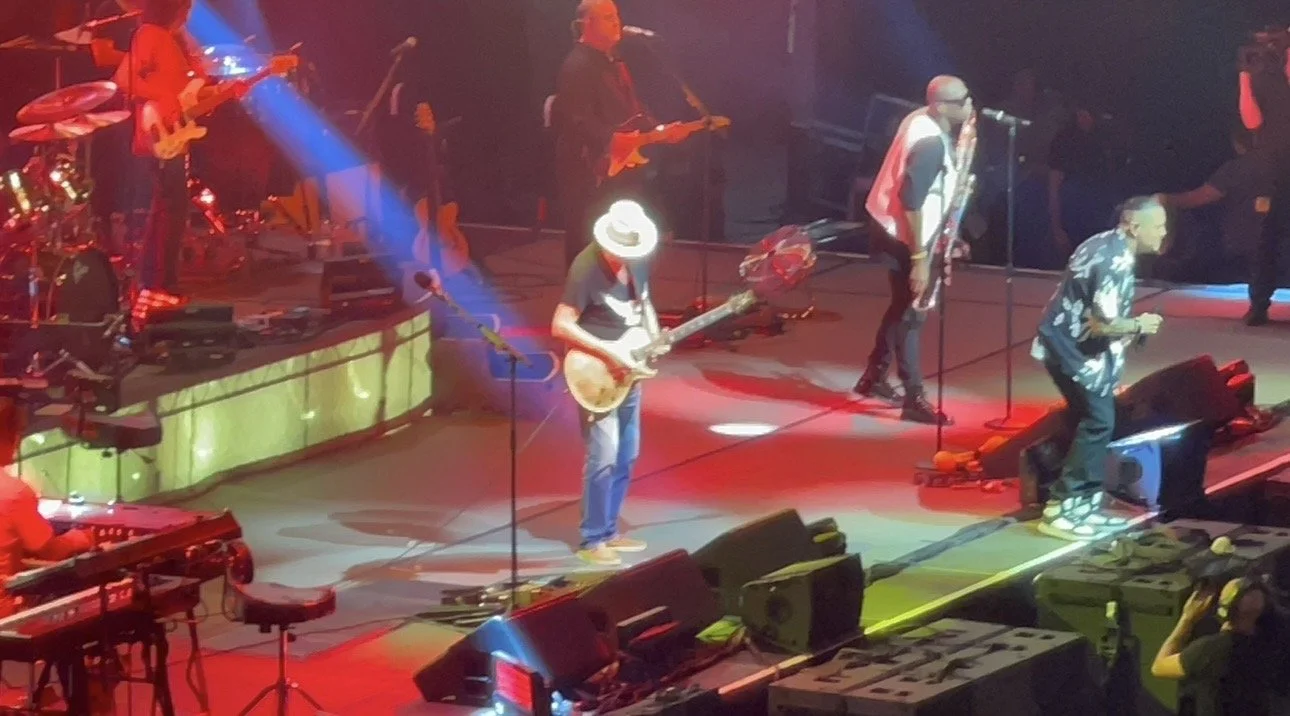
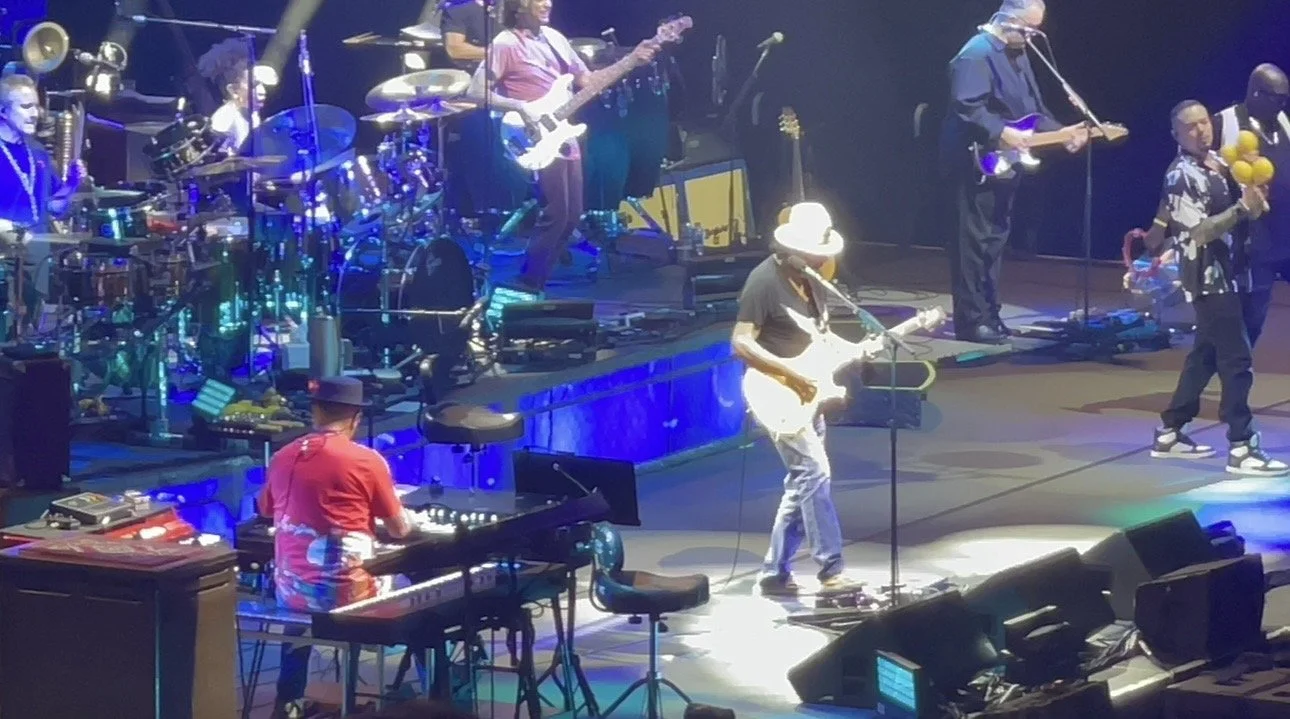
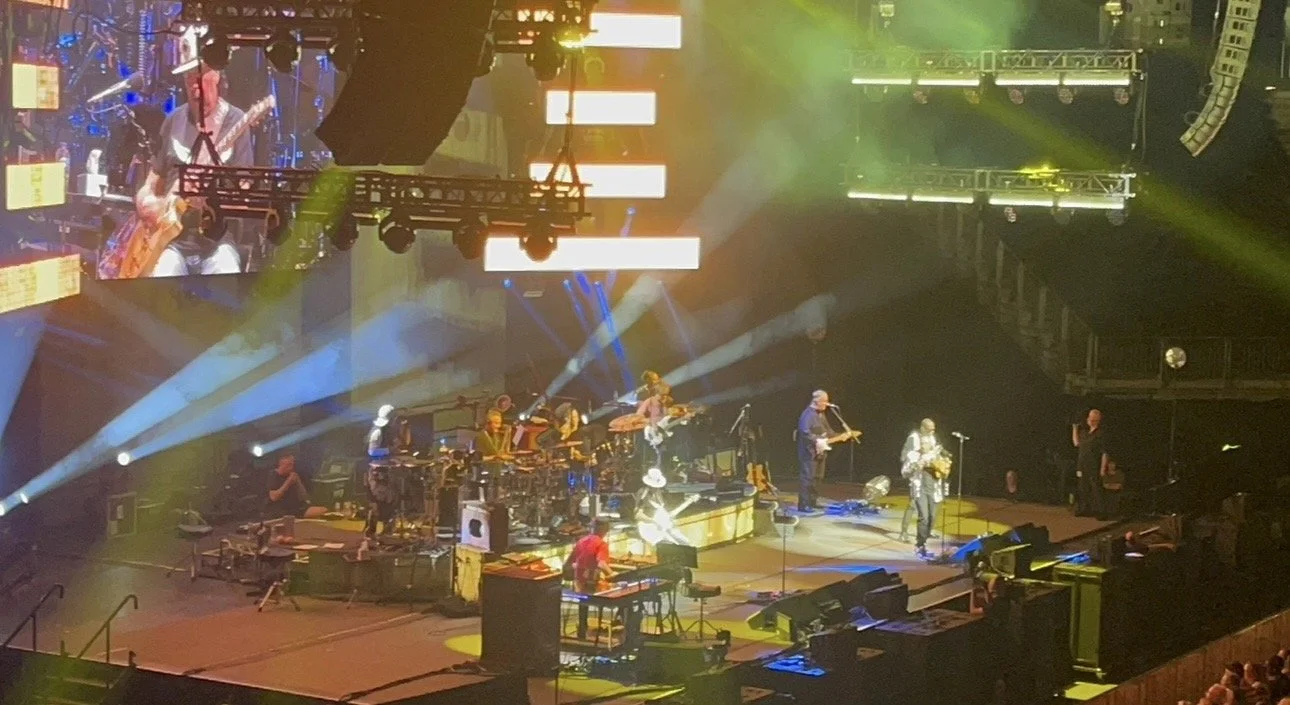
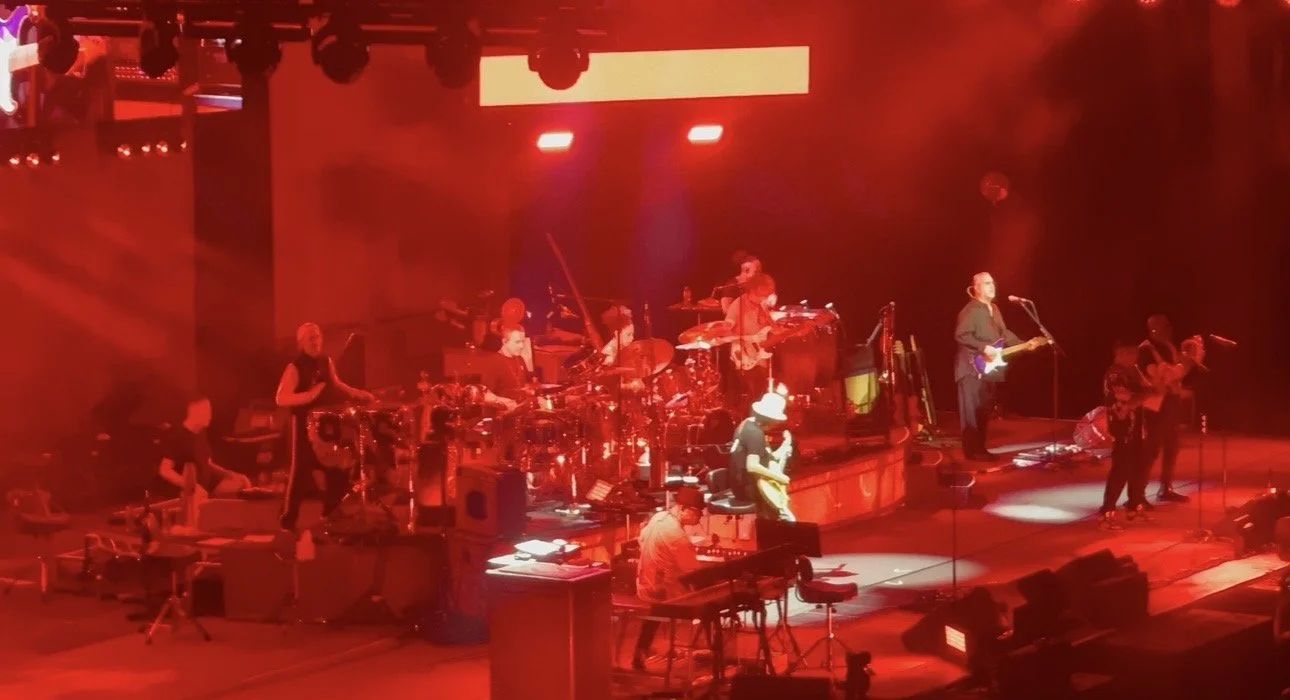
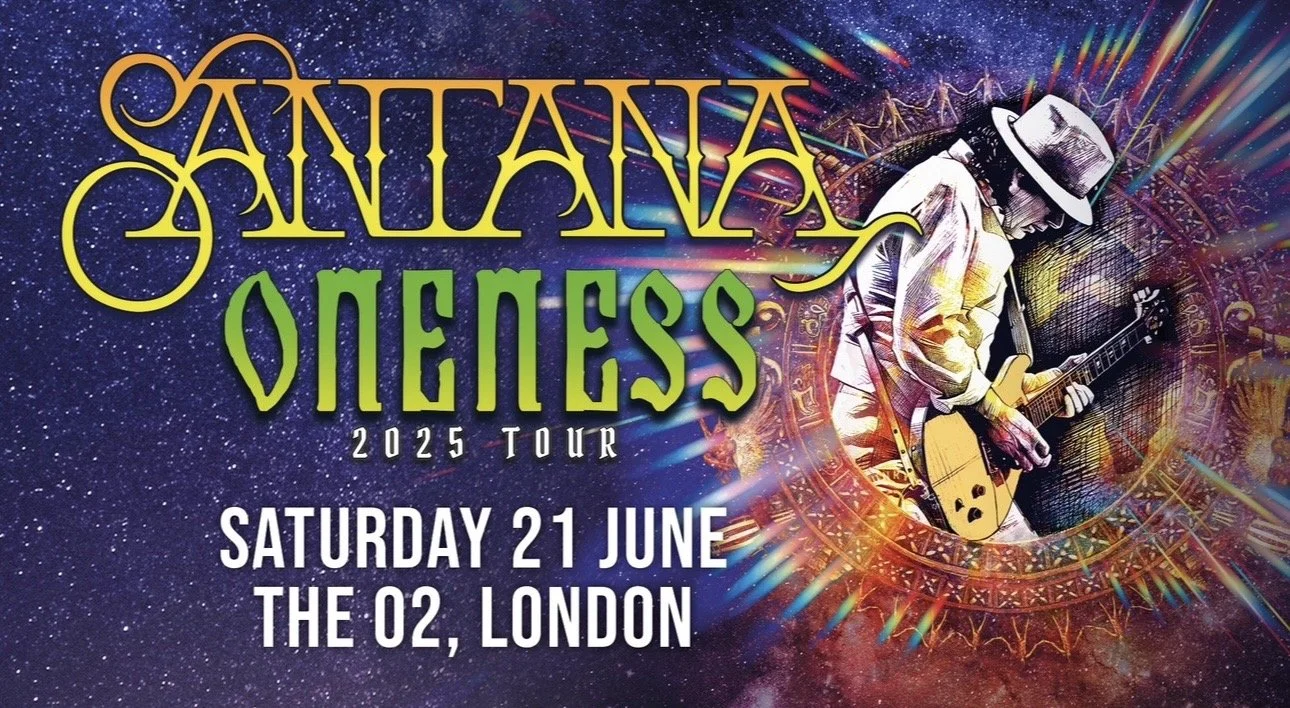
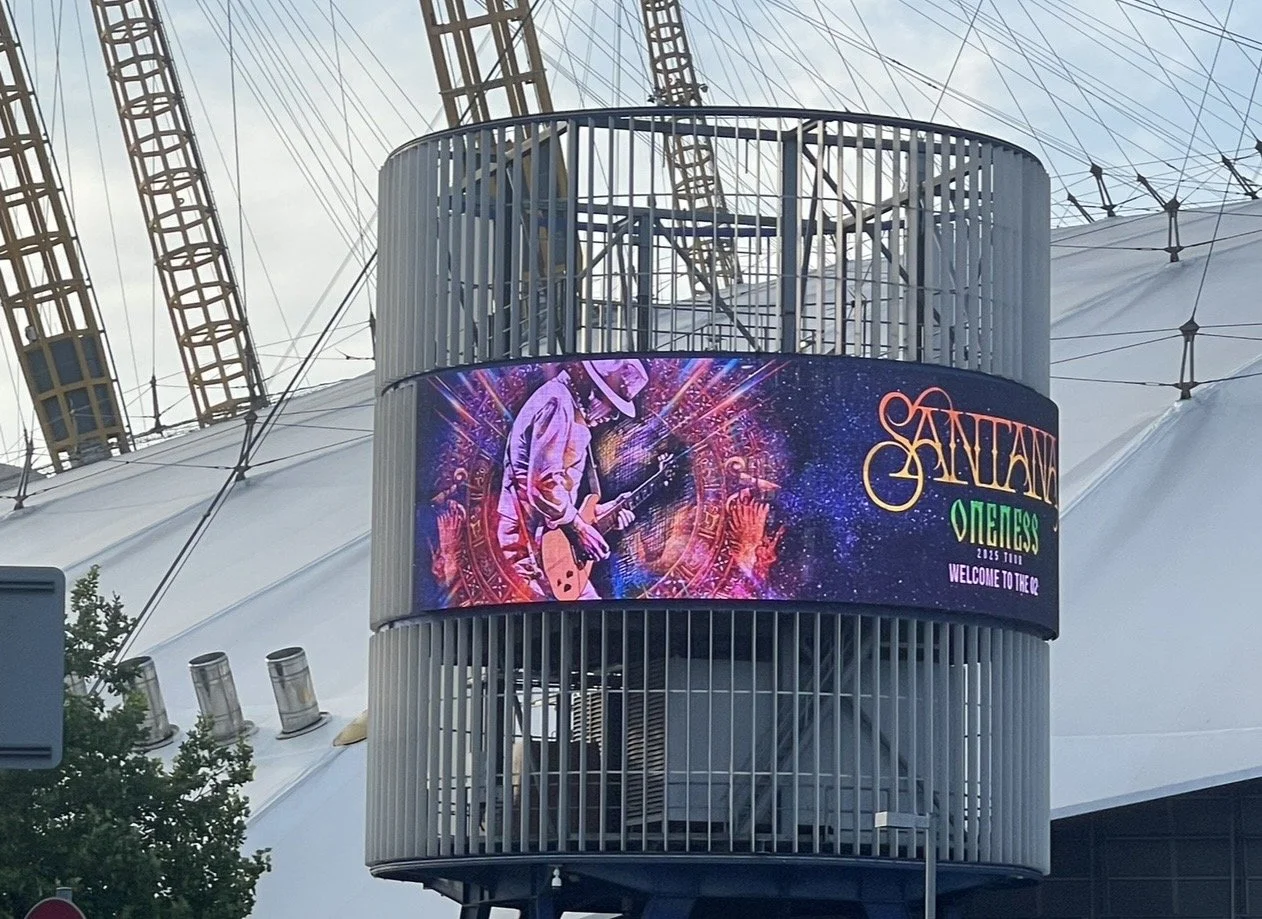
Returning to the O2 Arena in London on 21 June as part of the Oneness Tour, Santana once again demonstrated that age really is no barrier when the music, the musicianship and the passion remain intact.
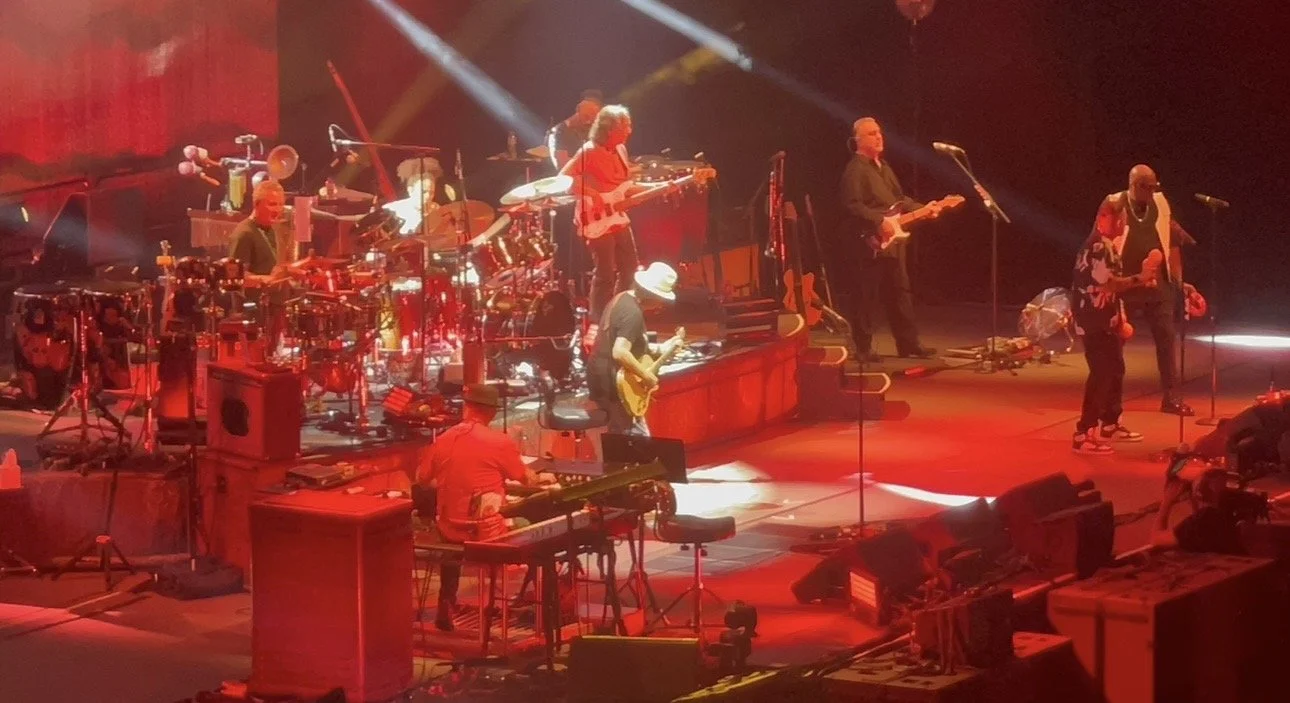
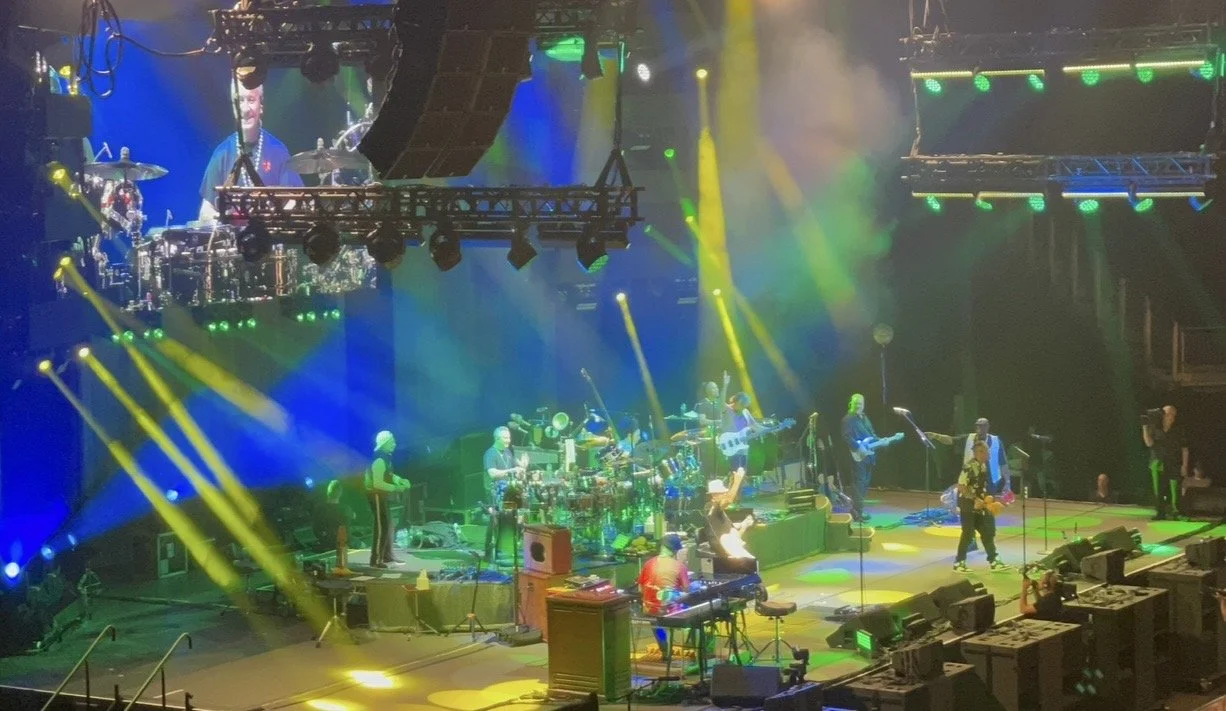
From the opening “Soul Sacrifice”, the familiar combination of Carlos’s soaring guitar, Latin rhythms and an extraordinary wall of percussion immediately transported me back to those early years. This was Santana doing what Santana does best — taking rock, Latin, jazz, African rhythms and a healthy dose of improvisation and throwing them all into one glorious musical melting pot.
The opening run of “Jin-go-lo-ba”, “Evil Ways”, “Black Magic Woman / Gypsy Queen” and “Oye Cómo Va” was enough to satisfy any long-term Santana devotee, but one of the early highlights for me was the appearance of Osibisa’s “Sunshine Day”.
That was a particularly lovely touch. Having first encountered Osibisa’s music many years ago, hearing Carlos and the band lock into that wonderful groove was a reminder of just how naturally Santana’s music crosses cultural and musical boundaries. It felt less like a song being played and more like a celebration of the shared spirit between two great musical traditions.
“Maria Maria”, “Foo Foo”, “Samba Pa Ti” and “Hope You’re Feeling Better” continued a first set that managed to cover an astonishing amount of musical territory.
And that guitar.
Carlos still possesses one of the most recognisable sounds in popular music. He doesn’t need to play a million notes — often a single sustained note, with that beautiful tone and just the right amount of vibrato, says more than an entire guitar solo from somebody else.
The second set continued the journey with “Batuka”, “No One to Depend On” and The Zombies’ “She’s Not There”, before moving through “The Game of Love”, “(Da Le) Yaleo”, “Put Your Lights On”, “Corazón Espinado” and “Everybody’s Everything”.
One of the great pleasures of seeing Santana live is that the songs are never simply reproduced versions of the studio recordings. There is always room for the band to stretch, improvise and follow the rhythm wherever it wants to go.
And what a band this is.
Of course, there was another Santana who deserved plenty of attention — Cindy Blackman Santana, Carlos’s wife and, quite frankly, an epic drummer. This lady is a master of those sticks. Her playing is powerful, precise and wonderfully expressive, and whenever she gets behind that kit she looks as though she is having one hell of a good time doing it.
During “Toussaint L’Ouverture” she was given the stage for a spectacular drum solo, and she absolutely went for it. With the amount of percussion already being thrown around the O2, one might have thought there was little more to give — but Cindy clearly hadn’t received that memo.
The solo was powerful, inventive and at times downright ferocious. She doesn’t merely keep time; she attacks the drums with the sort of authority that makes you realise just how much of Santana’s rhythmic fire comes from behind that kit.
Finally came “Smooth”, with the O2 predictably rising to its feet. It is remarkable to think that the Santana renaissance of the late 1990s is now itself more than 25 years old. Songs such as “Smooth”, “Maria Maria” and “The Game of Love” have become established Santana classics alongside the material that first made the band’s name.
Having followed Santana from those early days in New Zealand through the many musical incarnations and albums that followed, seeing Carlos still standing on a London stage and producing those unmistakable guitar tones is something I certainly don’t take for granted.
The music has evolved, the band has evolved and the world around it has certainly changed — but that sound remains.
And after all these years, there is still something rather wonderful about hearing Carlos Santana pick up that six-string and make it sing.
Who’d have thought, back in the 1970s, that we’d still be here all these years later, listening to the dulcet tones of this master of the six-string?
Long may it continue.