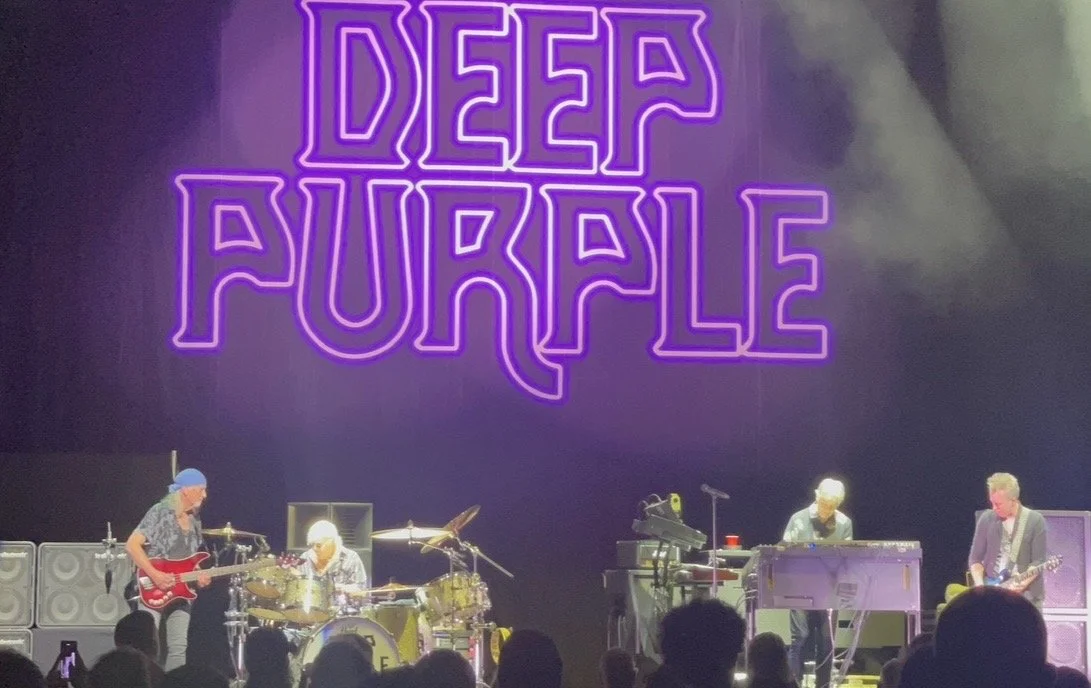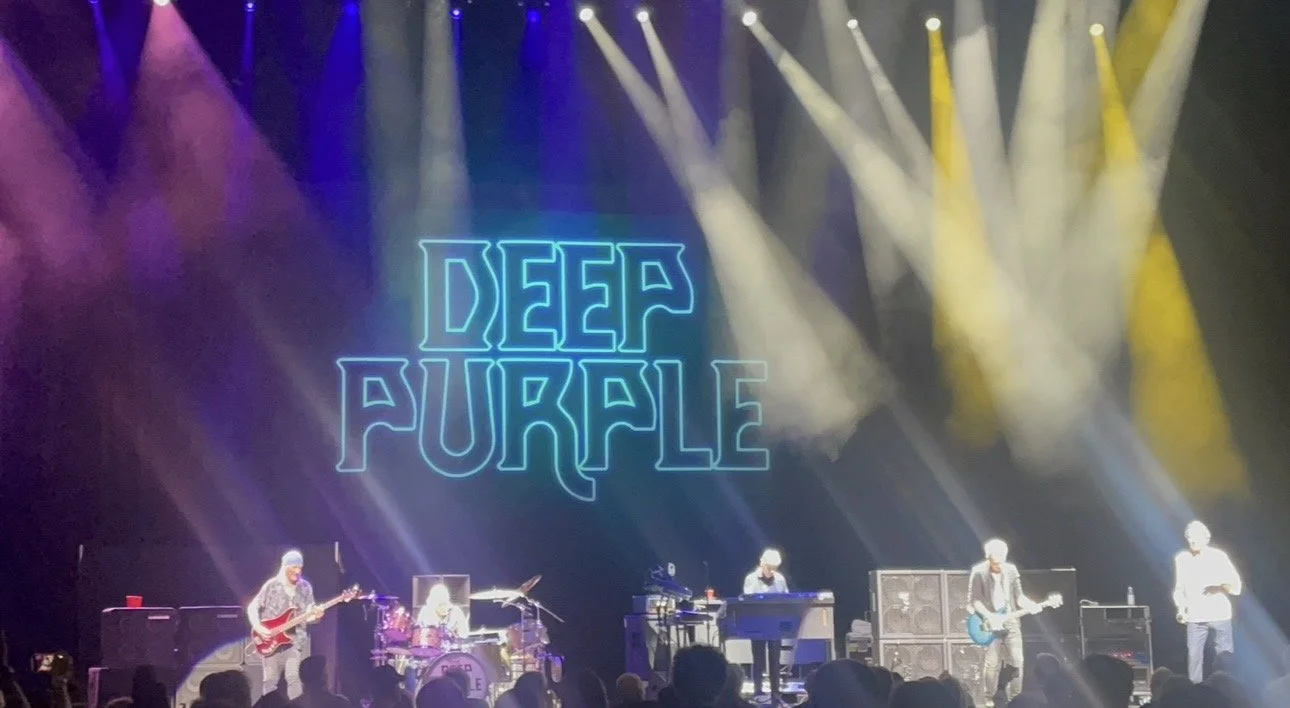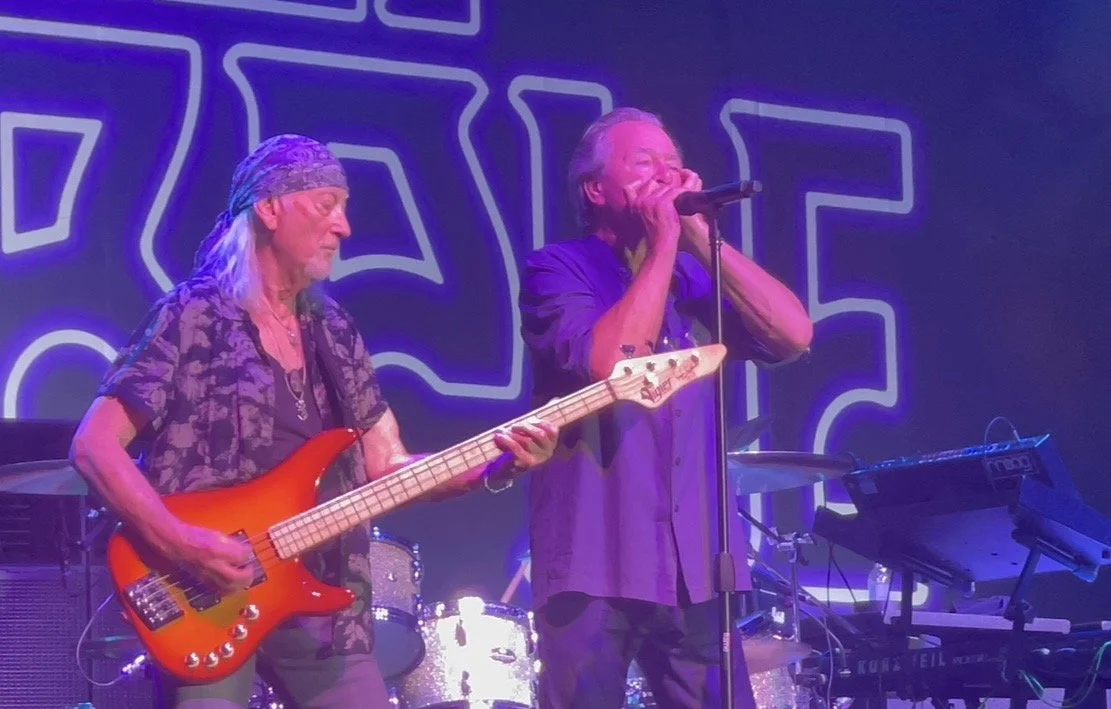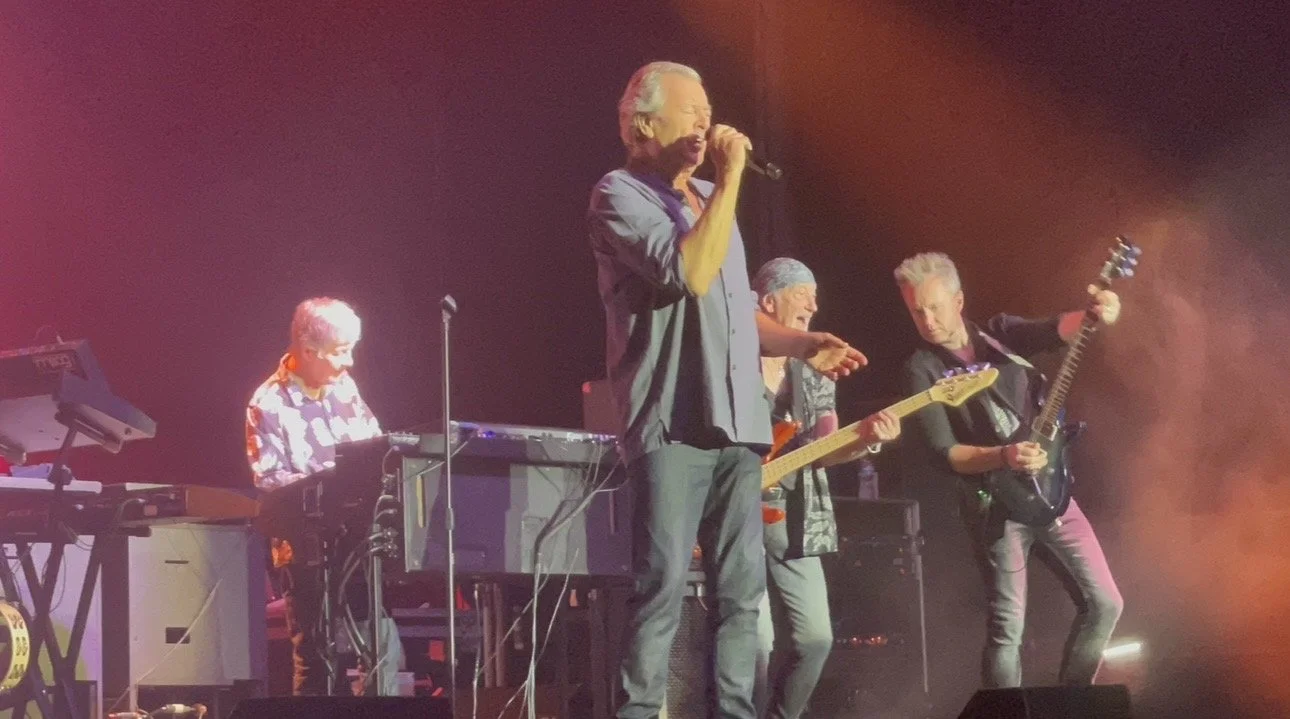
Deep Purple — Two Nights, One More Time in Florida Hard Rock Live, Seminole Hard Rock, Hollywood, Florida — August 14th 2024 Hard Rock Event Center, Tampa, Florida — August 15th 2024
Deep Purple — Two Nights, One More Time in Florida
Hard Rock Live, Seminole Hard Rock, Hollywood, Florida — August 14th 2024
Hard Rock Event Center, Tampa, Florida — August 15th, 2024
Review by Robert Corich
I flew into Miami on the day of the Hollywood show, fought my way through South Florida’s completely bonkers freeway system and reached the Seminole Hard Rock with barely 30 minutes to spare. It was a frantic way to begin the trip, but there was no question that I was going to make it.
The reason for the rush was Deep Purple — a band whose music has been part of my life since I was a young lad.
I’ve followed them through countless incarnations, from the music I discovered before Ian Gillan and Roger Glover joined, through the Mk II reunion, Tommy Bolin’s Mk IV lineup, the Steve Morse years and now Simon McBride’s new chapter. I caught the Mk II reunion with Ritchie Blackmore in 1984 and saw Tommy Bolin with Deep Purple Mk IV in New Zealand when I was a teenager.
But that’s a story for another day.
Yes were the very welcome opening act, but Deep Purple were the real reason I had made the journey. I’d also seen Simon McBride playing with the band before he officially took over the guitar role, when he temporarily replaced Steve Morse at a gig in the Roman colosseum at Nîmes, France, in 2022. That performance offered an early glimpse of how he might fit into the band, though nobody yet knew he would eventually become a permanent member.
Having made it through the traffic and collected the press passes kindly supplied by the bands for myself and two friends, there was no question of missing a minute.
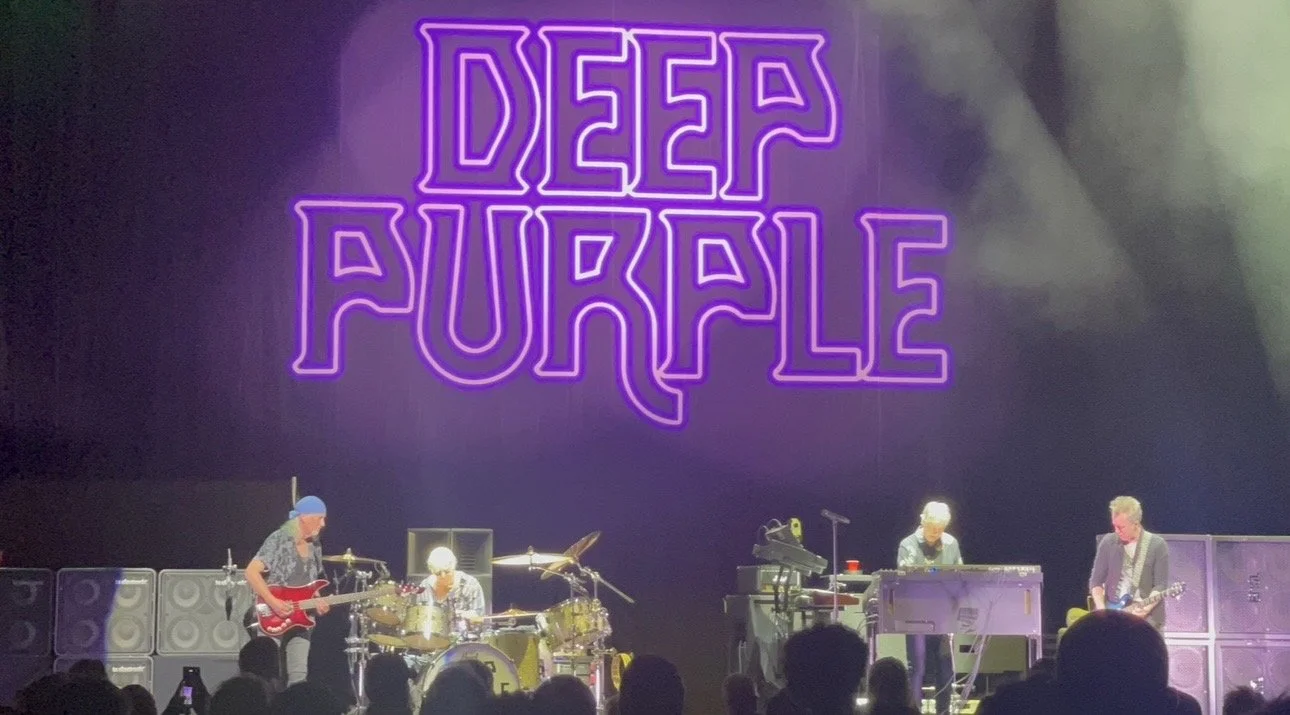
The lights went down.
The ominous strains of Holst’s Mars, the Bringer of War began.
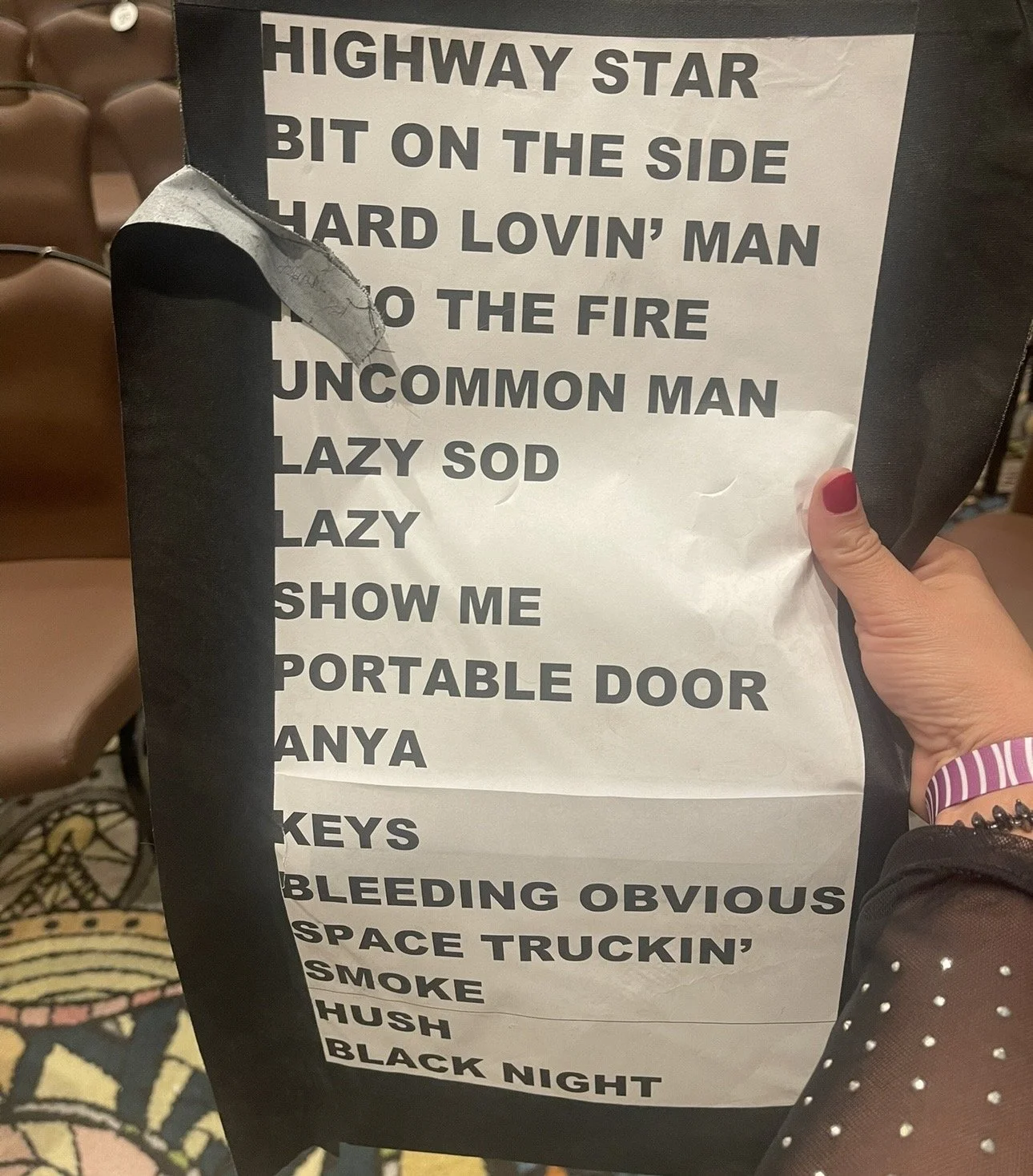
Then came Highway Star.
Well, what else?
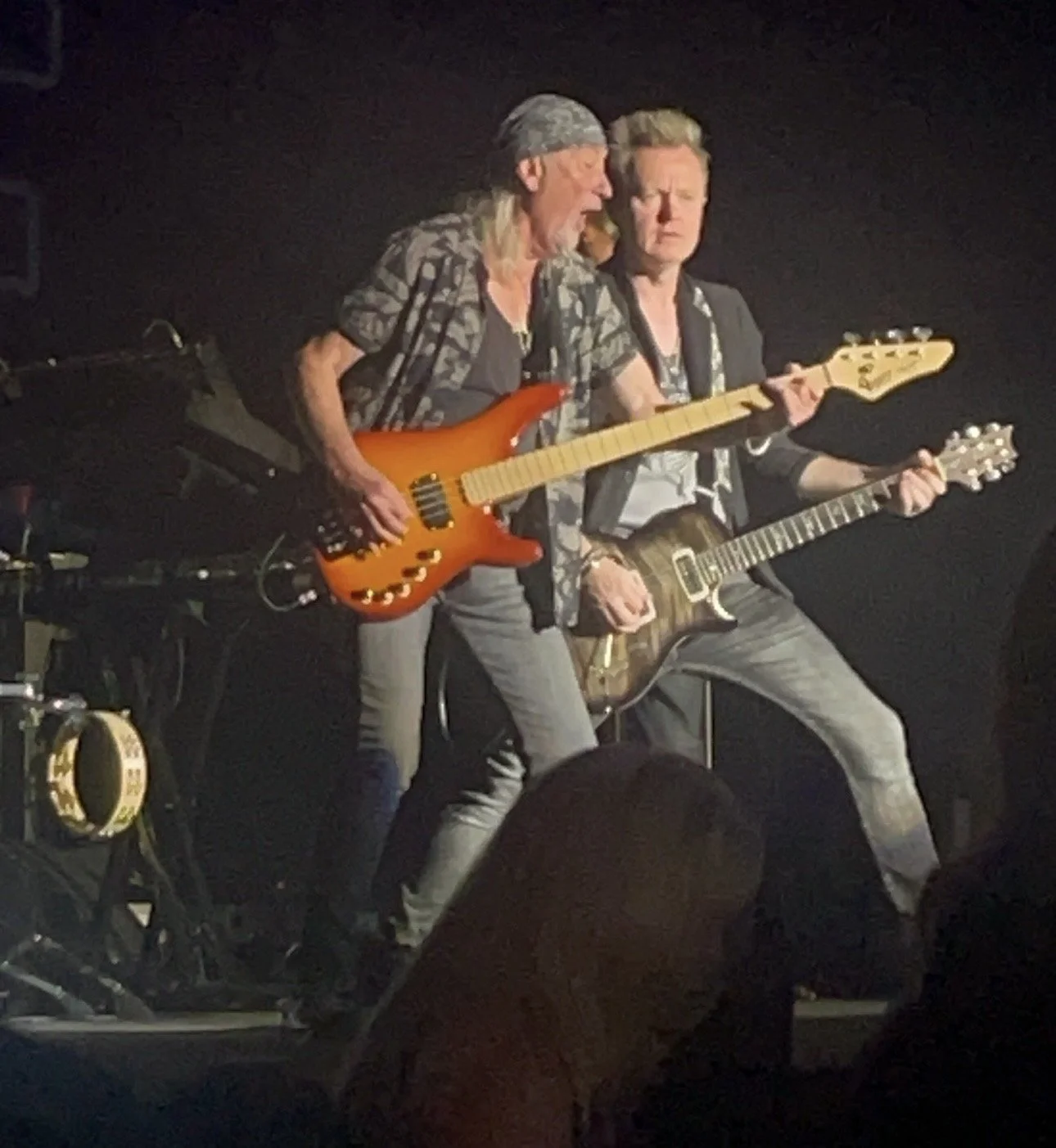
Some opening numbers simply announce that a band has arrived. Highway Star is one of them — and when Ian Gillan, Roger Glover, Ian Paice, Don Airey and Simon McBride launched into it, there was never any doubt that Deep Purple could still make one hell of a racket.
A new chapter
Steve Morse had recently departed after an extraordinary run with Deep Purple, and Simon McBride had taken over the guitar role. McBride had big boots to fill — very big boots — because I had always regarded Steve Morse as almost irreplaceable. His contribution to Deep Purple had been so substantial that the prospect of anyone stepping into his place naturally came with a degree of apprehension.
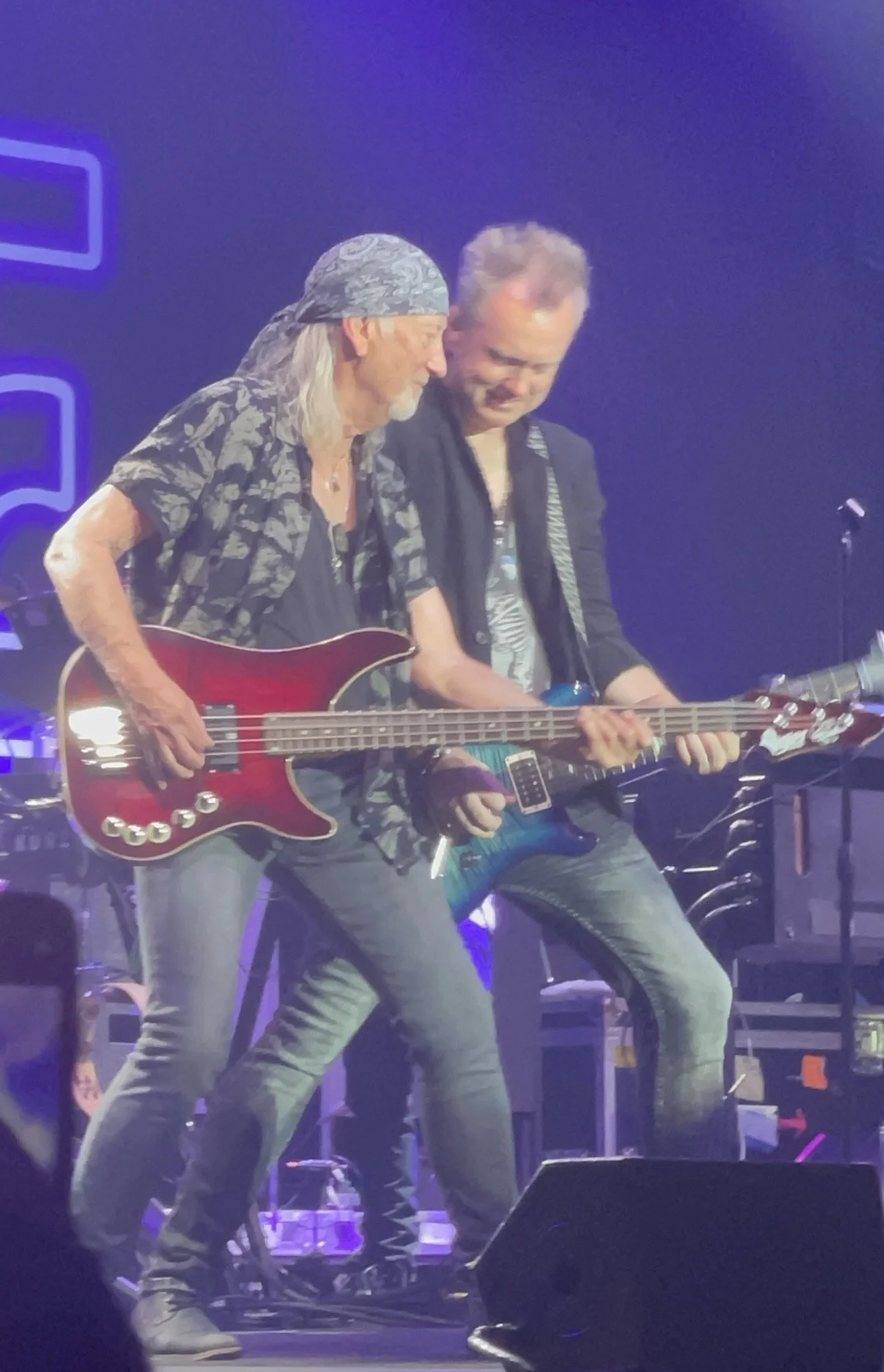
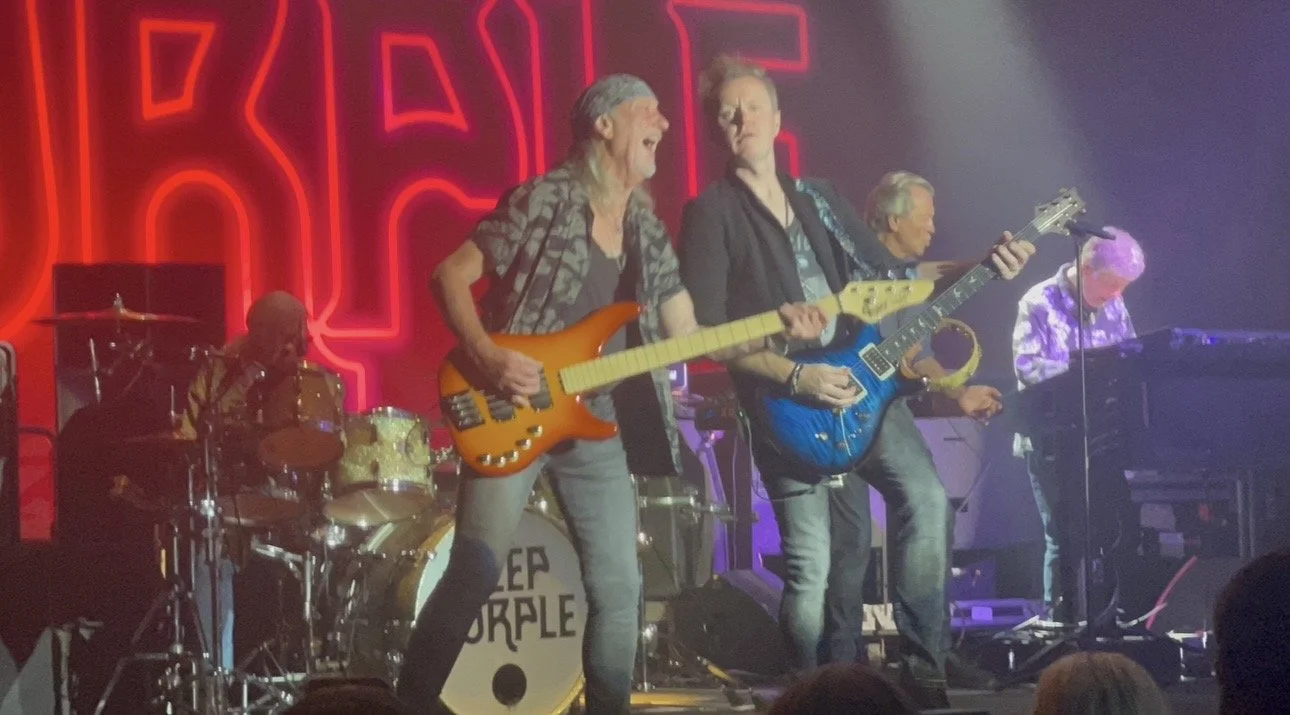
But rather than attempting to be Morse, which would have been pointless, McBride brought his own character to the band. By the time of these shows, he was proving himself a stellar replacement for a guitarist I had believed was almost irreplaceable. He brought energy, personality and a clear sense of his own identity, while still respecting the music he had been asked to carry forward.
With one new album, =1, under their belt, Deep Purple sounded completely settled.
I was already hoping another album would follow before too long.
And to be clear, =1 is a very good album. The music is strong, varied and inspired, and the new songs stood up remarkably well alongside the classics in the live set.
The problem was the exterior artwork.
It must surely rank among the least imaginative and most boring album covers the band have ever engaged in. In fact, it could make a serious bid for the title of least imaginative and most boring cover art of all time.
Fortunately, the music was considerably more inspired.
The new material received a substantial airing, with A Bit on the Side, Lazy Sod, Show Me, Portable Door and Bleeding Obvious all making the set. In Hollywood, Show Me was receiving its live debut.
I liked that.
There is often an assumption that American audiences do not particularly want to hear new material. The usual attitude seems to be that people have paid to hear familiar songs, while anything recent will be met with polite indifference as everyone waits for the classics.
Happily, that attitude was absent across these dates.
The new songs were welcomed enthusiastically. The audience listened, responded and gave them a proper chance. Deep Purple could have simply rolled out the classics and collected the applause, but instead they introduced new music to people who had come to hear songs written fifty years earlier.
And remarkably, it worked.
The new Purple meets the old Purple
McBride’s guitar solo, incorporating Misirlou, gave him the opportunity to let his fingers loose, while his interplay with Don Airey continued one of Deep Purple’s great traditions: guitar and keyboards sparring, pushing and pulling against each other.
And Airey?
Quite magnificent.
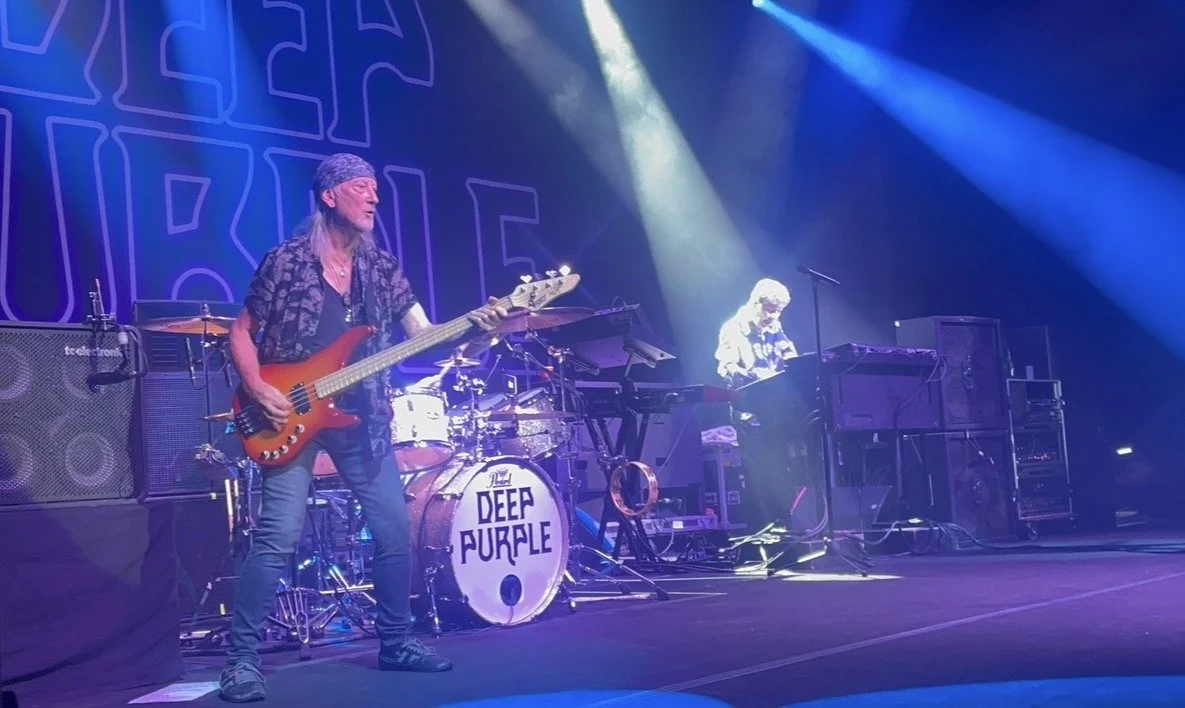
His keyboard solo, including Rondo alla Turca, was another reminder that Deep Purple have never been entirely satisfied with the conventional definition of a rock band. Don Airey remains a true keyboard maestro, capable of moving effortlessly from classical flourishes to full-blooded rock power, adding colour, drama and a sense of adventure to everything the band plays.
Then there is Ian Paice, now the band’s sole founder member.
What can you say?
Watching Paice play is still a privilege. His drumming remains astonishingly skilful, combining precision, power and feel with the looseness and authority that belong only to someone who has spent a lifetime at the top of his game. Even after all these years, he can make the kit sound both muscular and wonderfully fluid, driving the band forward without ever losing the swing that has always been such an important part of his playing.
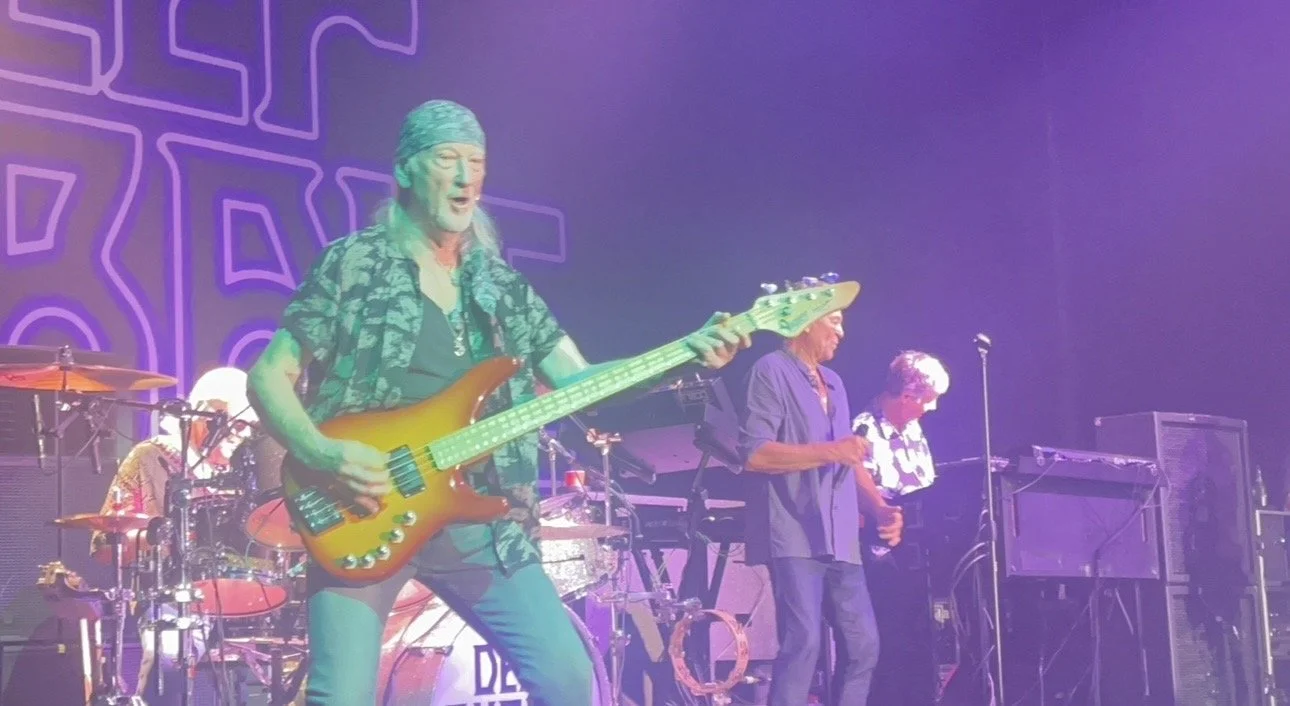
Roger Glover remains the steady hand keeping the machine on the road. His bass playing is solid, dependable and deeply musical, providing the foundation that allows the rest of the band to stretch out while ensuring that the songs never lose their shape.
And then there is Ian Gillan.
He is still unmistakably Ian Gillan, still capable of ripping venues apart with those super lungs. The years may have accumulated, but that voice remains one of rock’s great signatures — powerful, distinctive and instantly recognisable. When Gillan lets loose, there is still nothing quite like it.
The classics still bite
The Purple catalogue was represented by Hard Lovin’ Man, Into the Fire, Lazy, Anya and Space Truckin’.
Uncommon Man, dedicated to the late Jon Lord, was a poignant reminder of the history behind the band. You can’t hear Deep Purple without occasionally hearing ghosts: Blackmore, Lord and all the musicians who helped create the legacy these five men now carry forward.
But this wasn’t a solemn history lesson.
It was rock ‘n’ roll.
When the opening bars of Smoke on the Water were played, the venue roof was figuratively blown off. The reaction was immediate, enormous and utterly predictable — but predictable in the best possible way.
Yes, we’ve all heard it a million times.
Yes, most guitarists learned that riff before they learned anything else.
And yes, it still works.
Two nights, with a few differences
Seeing the same band on consecutive nights is something I don’t often get the opportunity to do. The set was broadly the same, but the differences made the second show worthwhile.
Hollywood gave us the live debut of Show Me, while Tampa switched Bleeding Obvious for Perfect Strangers — a particularly welcome addition for anyone fond of Purple’s later classic period.
The newer songs did not feel like interruptions. They sat comfortably alongside the classics, and the audience accepted them as part of the band’s continuing story rather than obstacles between the songs they already knew.
After Smoke came the encore: a brief Caught in the Act snippet, Hush and finally Black Night.
If you’re going to finish a Deep Purple concert, that’s not a bad way of doing it.
Still one hell of a live band
What struck me most was how good Deep Purple still are live.
Not good considering their age.
Not good for a band that has been around since the sixties.
Just good.
In fact, they remain better than anyone else around. No new band has come anywhere near them — ever. That is not simply nostalgia talking, nor is it an attempt to diminish the many talented younger bands working today. It is a recognition of the extraordinary standard Deep Purple established and continue to maintain.
They remain a proper working rock band, with musicians who sound engaged with the music rather than simply performing their own history. Paice’s extraordinary drumming, Glover’s solid bass playing, Airey’s keyboard mastery, Gillan’s still-formidable voice and McBride’s energetic guitar work combine to create a band that remains remarkably powerful and alive.
Different musicians. Different eras. Different versions of Deep Purple.
But somehow the same bloody spirit.
And no new band has ever matched the complete combination of musicianship, imagination, power, individuality and sheer live authority that Deep Purple possess. Others may be exciting, talented or successful, but Deep Purple remain in a category of their own.
I didn’t fly into Miami simply to see an old favourite. I flew in to see what Deep Purple were going to do next.
After two nights, I came away thinking they still have plenty to do: new songs welcomed rather than resisted, a new guitarist proving himself a stellar replacement for the Steve Morse I had believed was almost irreplaceable, a rhythm section still driving with authority, Don Airey continuing to dazzle and Ian Gillan still tearing through venues with those remarkable lungs.
And I was left with the hope of another album soon — preferably with cover art that shows rather more imagination than =1.
One More Time?
Absolutely.
I’d happily do it again.